‘Easy Walk’ focuses on footwear for diabetics. It explores the current market and aims to expand existing solutions. As the global diabetic population rises, it makes sense to innovate products that ease daily life.
Diabetes can cause urgent foot health issues requiring medical knowledge and research but the project stays at preventive level, addressing less severe conditions. It also includes secondary, non-diabetic user. This way people can improve foot health by wearing correctly fitting footwear based on a medical last without an orthopaedic look.
This project is a doorway into the world of diabetes, displaying the struggles and issues diabetics have to face daily. The goal is to merge medical benefits with everyday design to help prevent small issues from becoming serious problems.

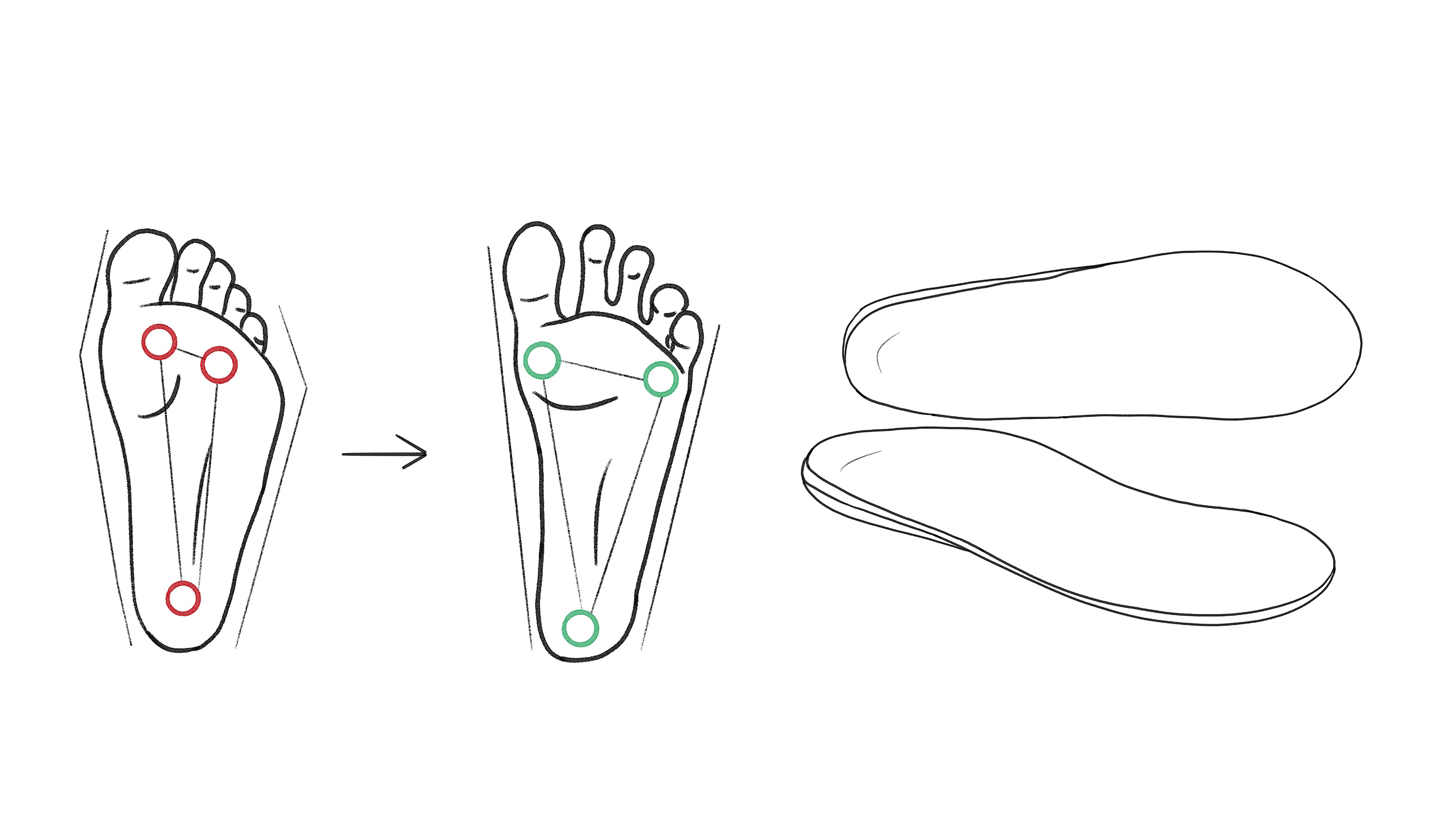
When I decided I want to make shoes for diabetics I had several people ask me throughout the process if they are any different from regular shoes. I’d say yes and no mostly because some of the differences, like wider toe box are more noticeable than others such as insole people are wearing. But even with these relatively small changes we can make the biggest difference.
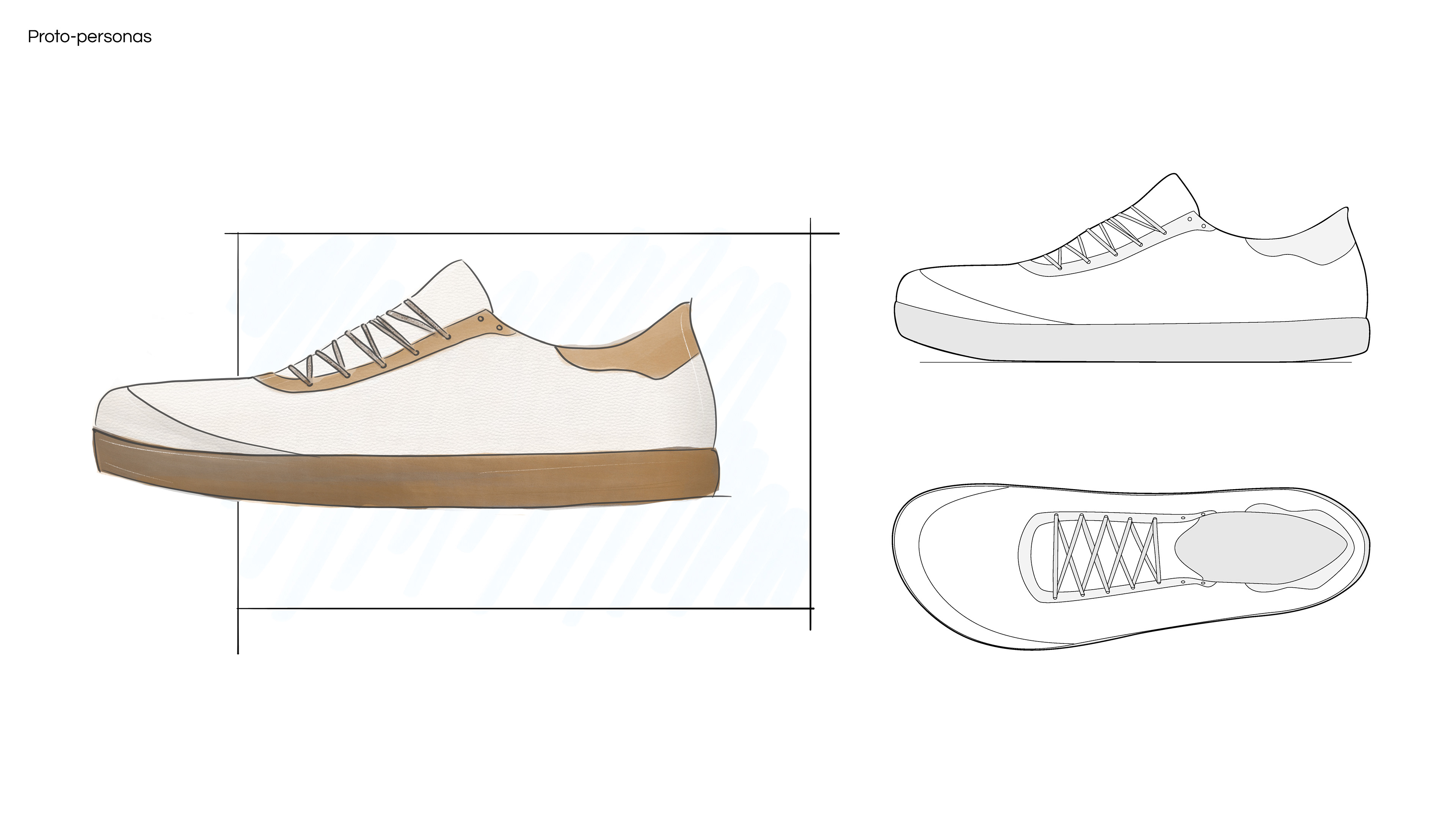
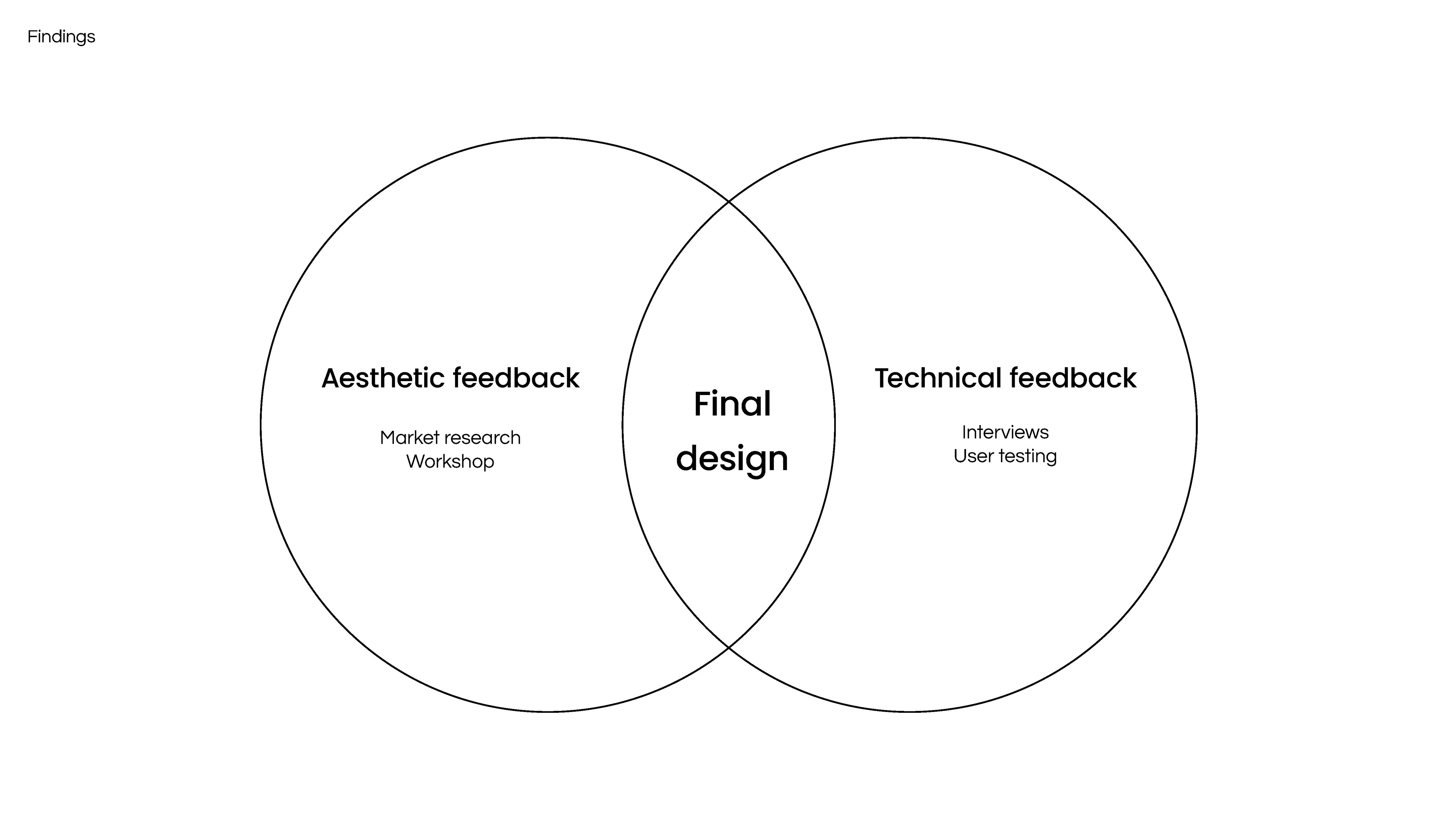
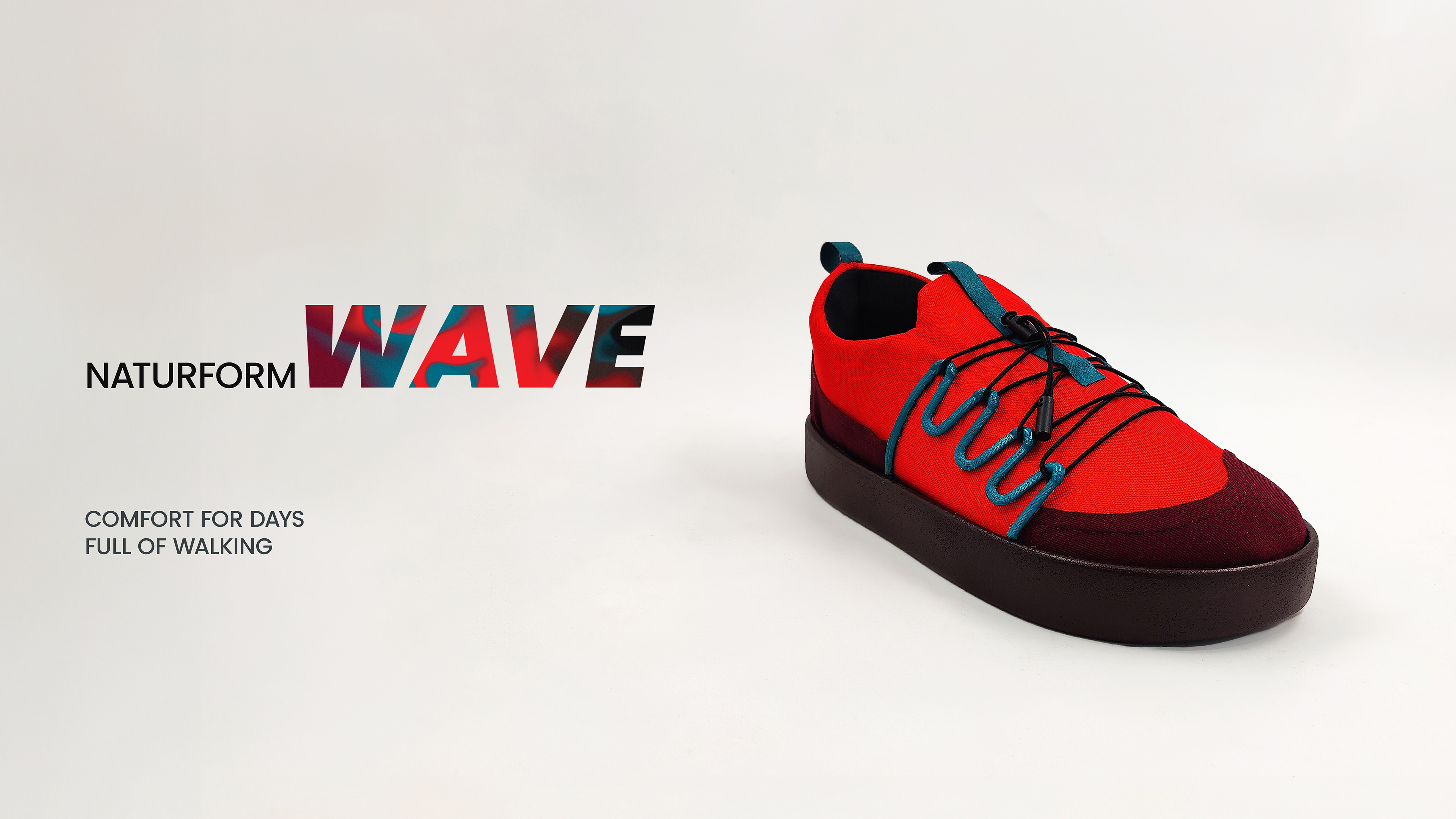
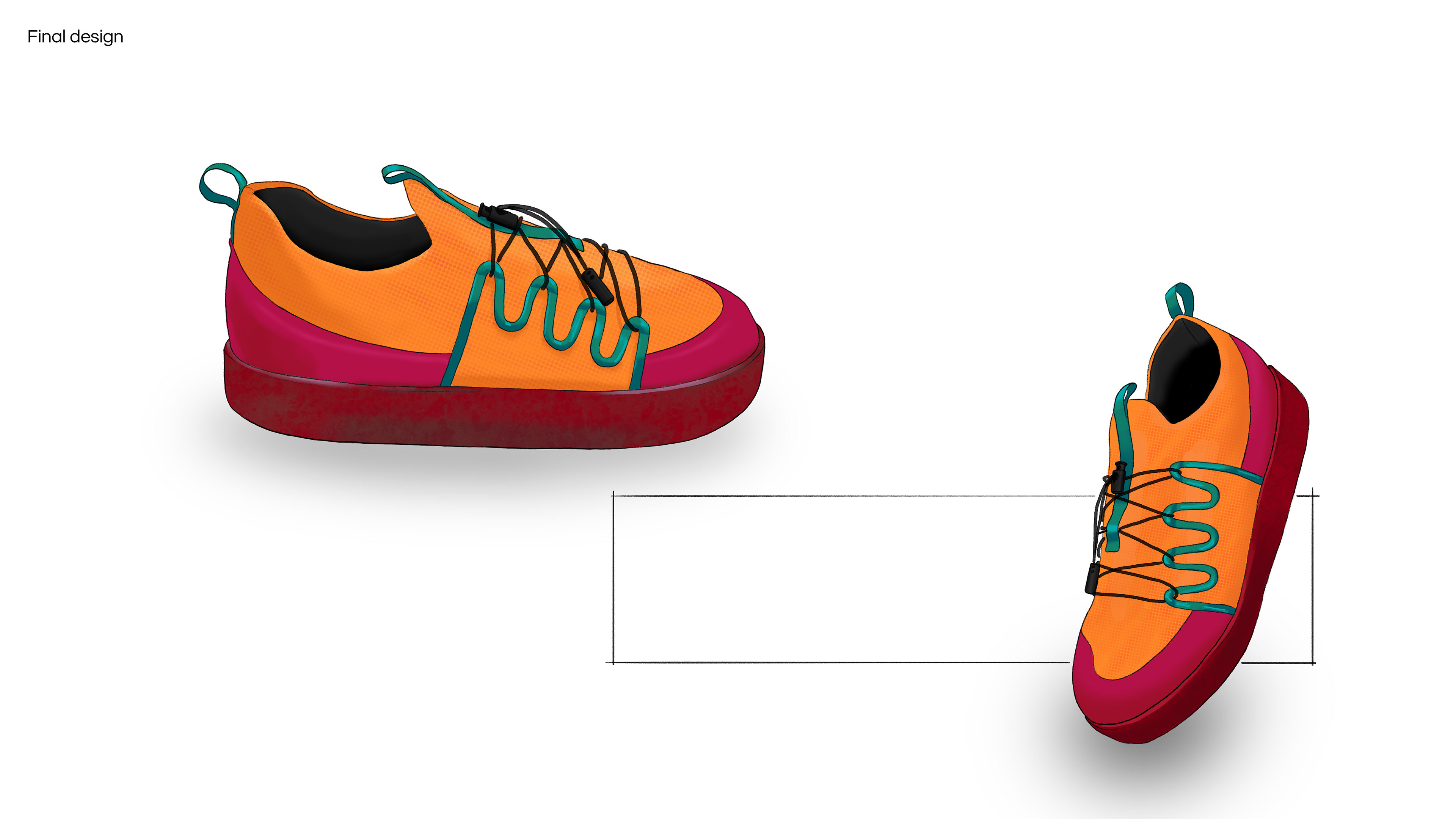
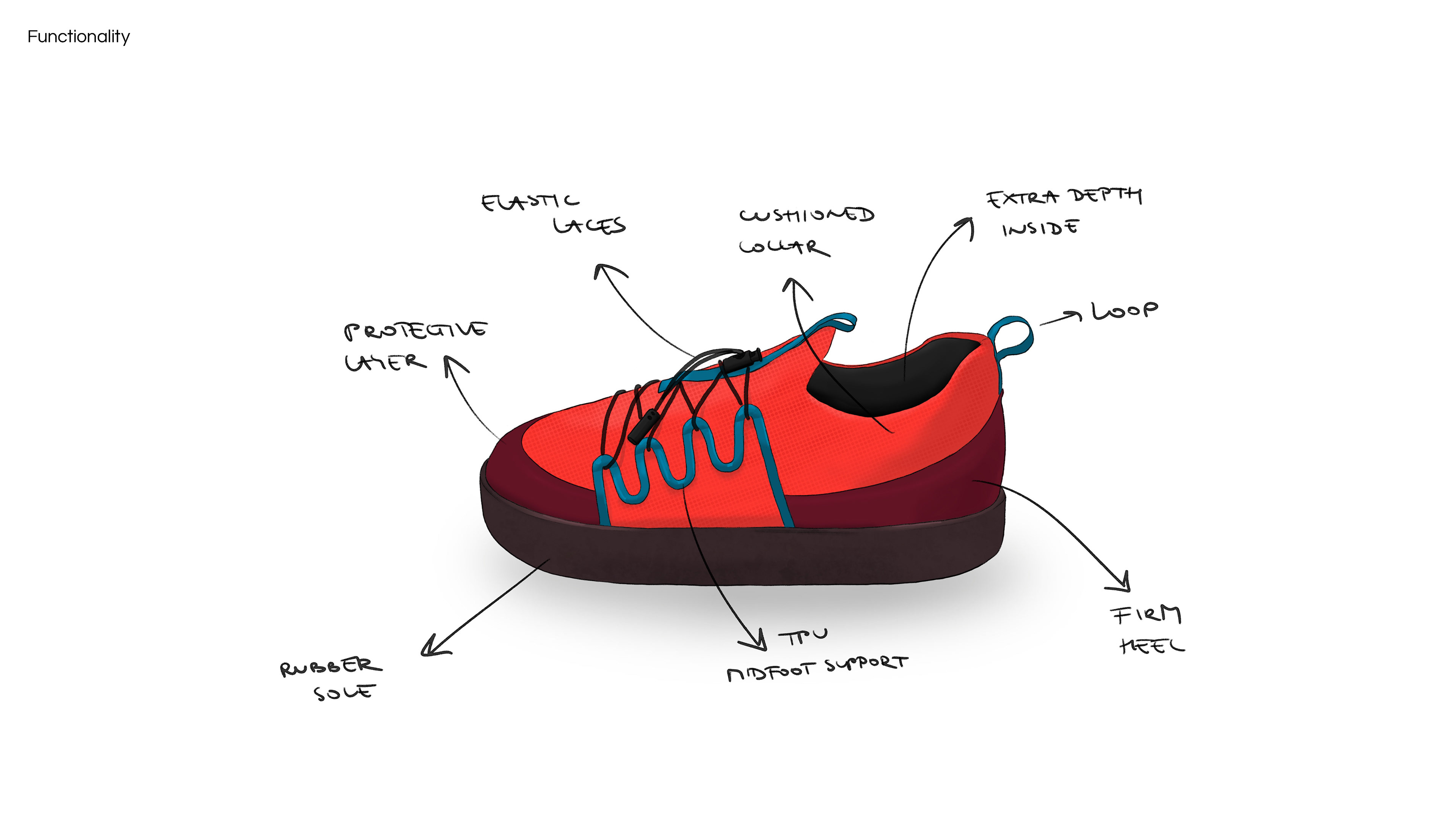
My main goal for this project was to create a medical shoe that has a regular look but all the benefits of an orthopaedic shoe. The project stays at a preventive level and doesn’t go deeper into more serious feet related issues due to time restrictions. That’s why I have a secondary, non-diabetic user. I wanted to bring more focus on foot health as well as show what kind of struggles diabetics are facing. I did so using various methods like user and expert interviews or market research.
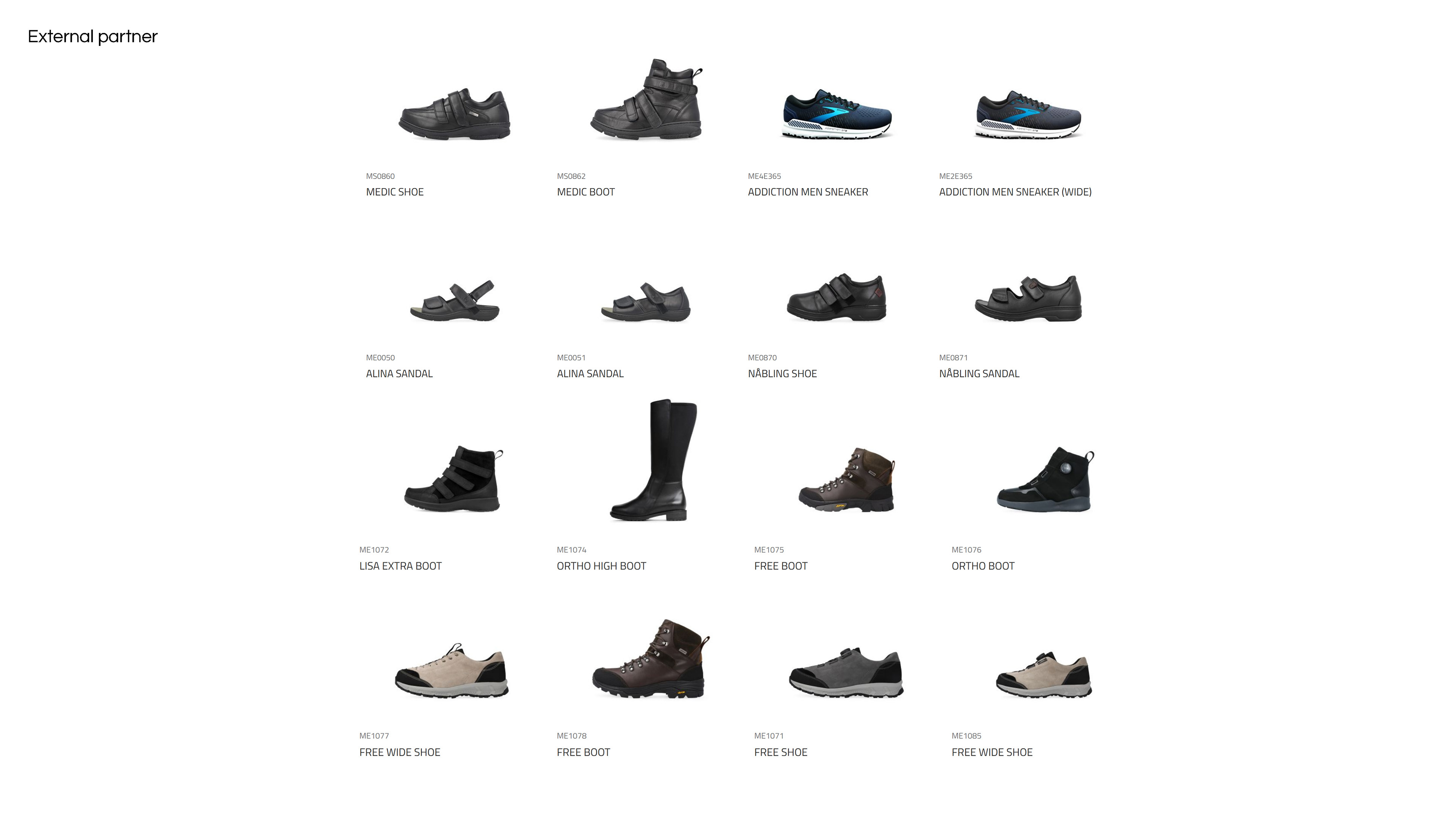
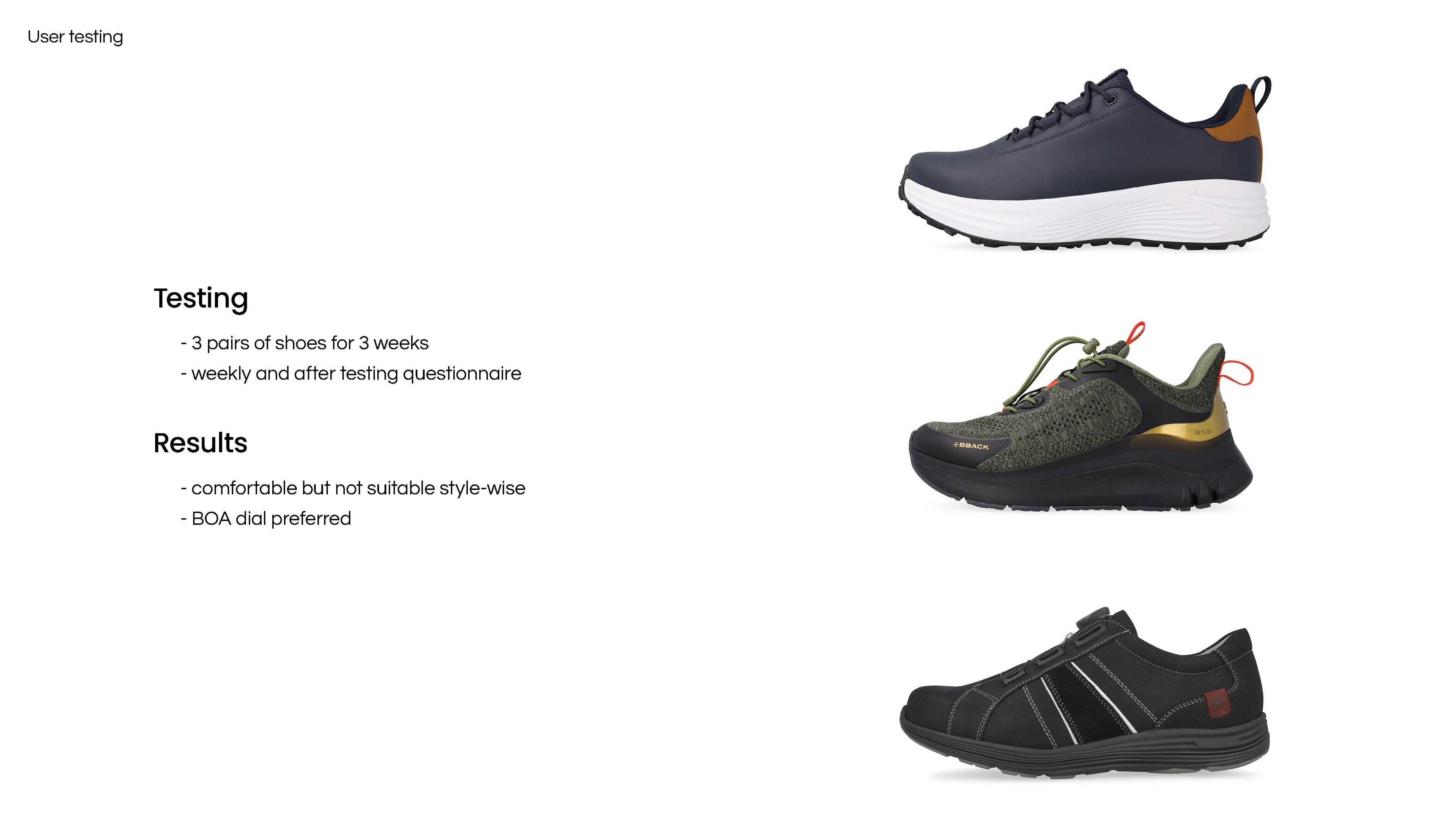
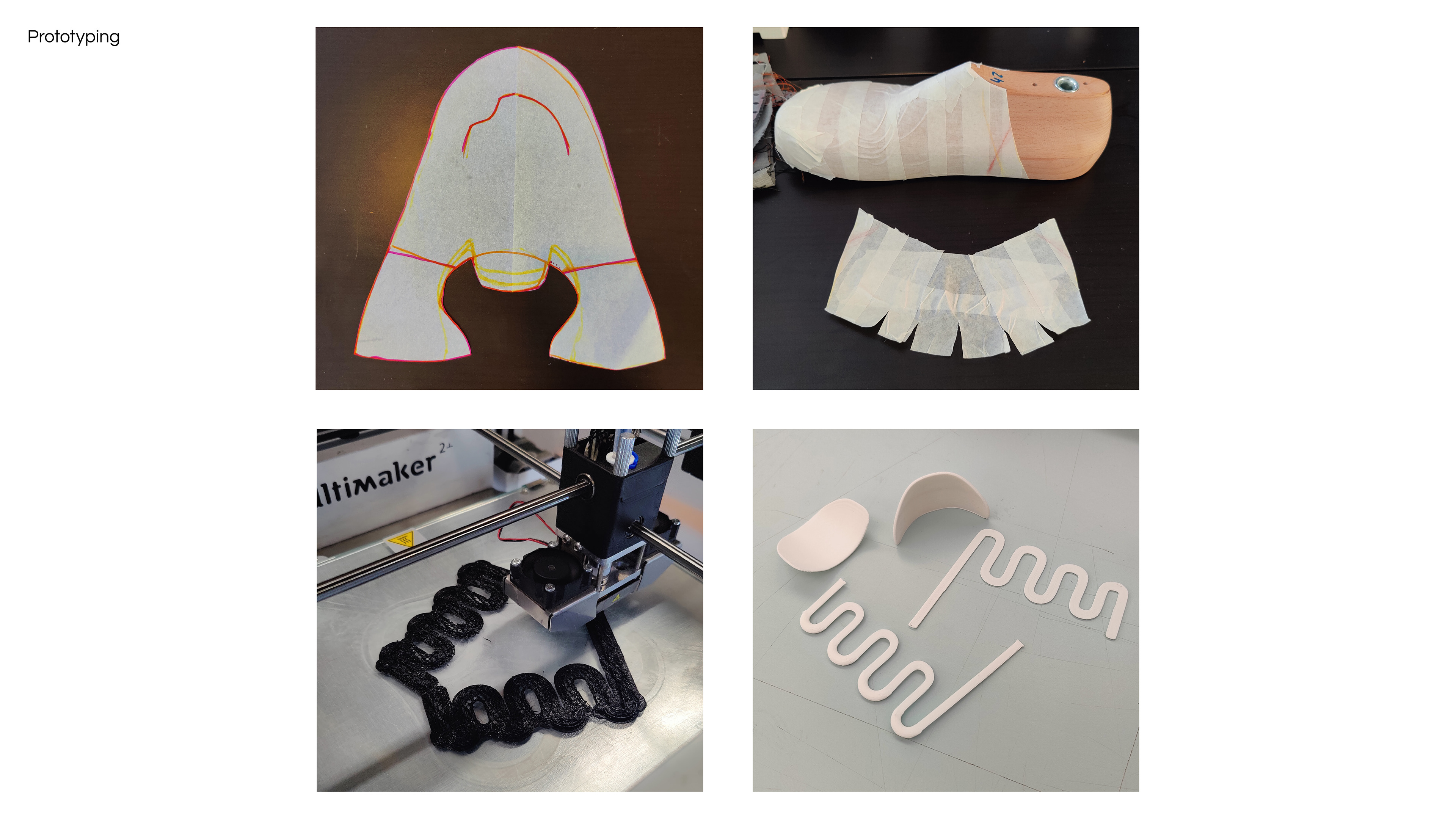
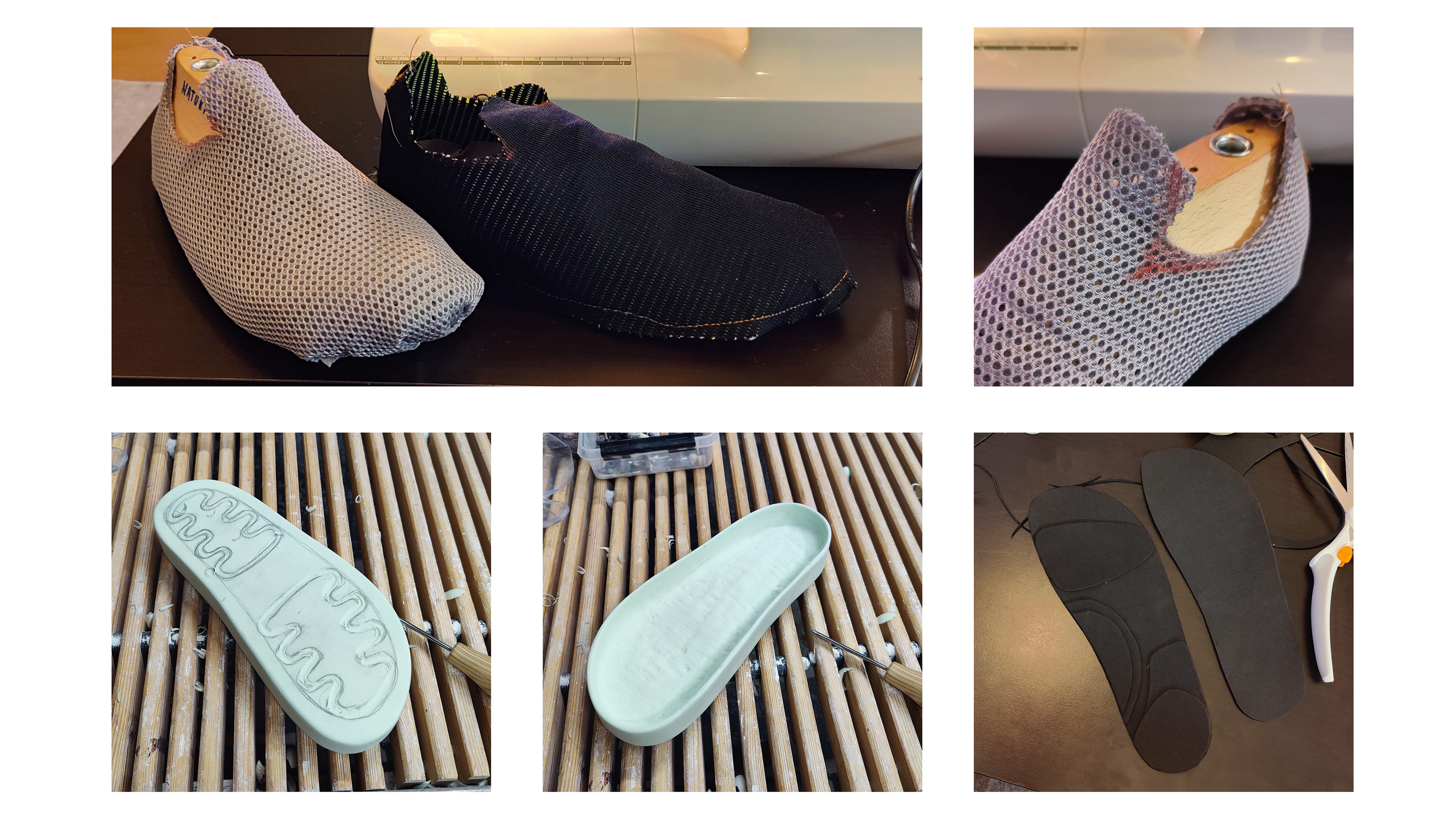
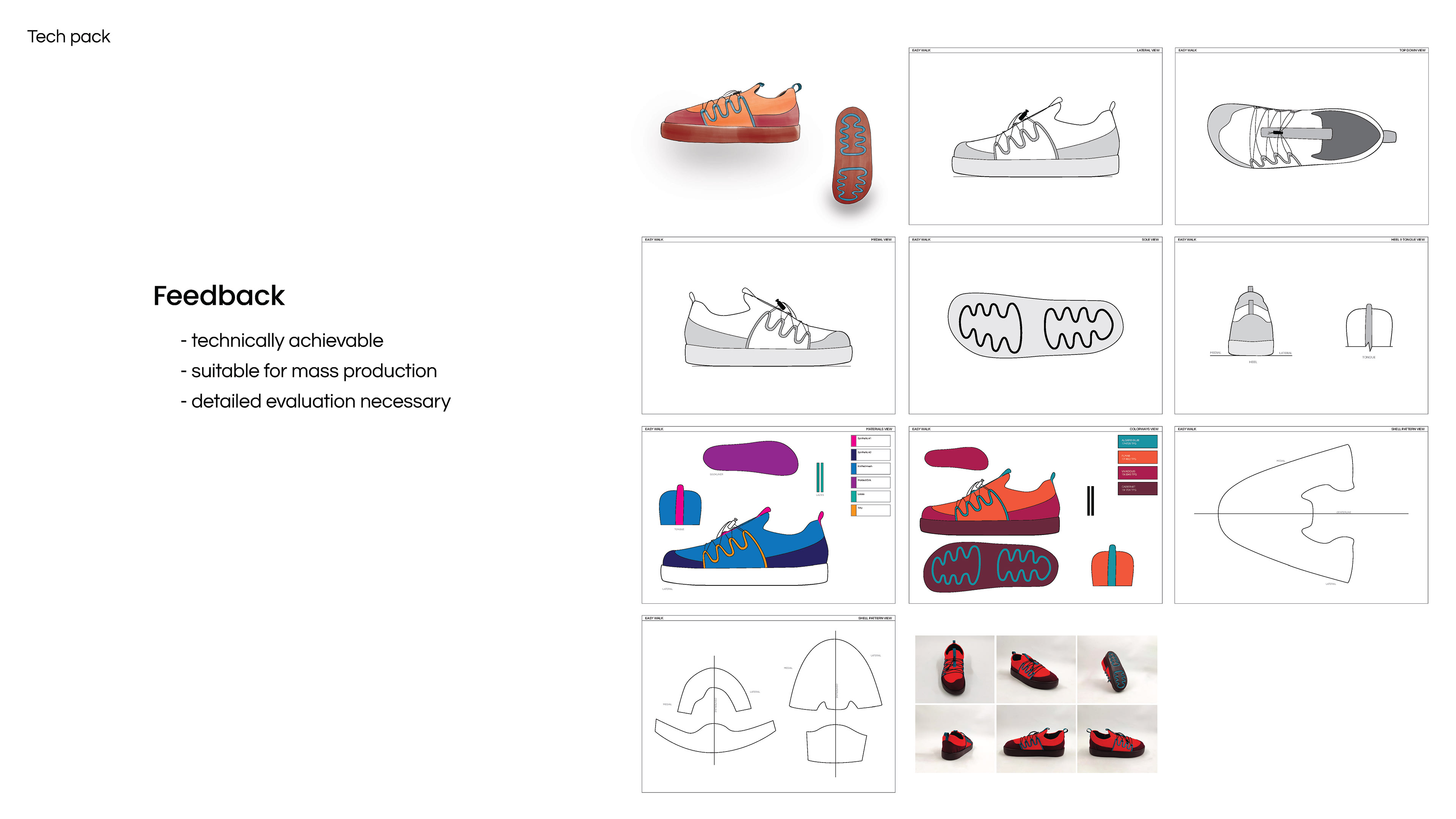
From the beginning of the process I had an external partner, Klaveness. They’re a Norwegian company specialising in medical and rehabilitation footwear. Their shoes are adjustable, and they offer customisation. They helped me during the prototyping phase by providing lasts and materials. They also supported me throughout the user testing by giving me several pairs of shoes for testing.
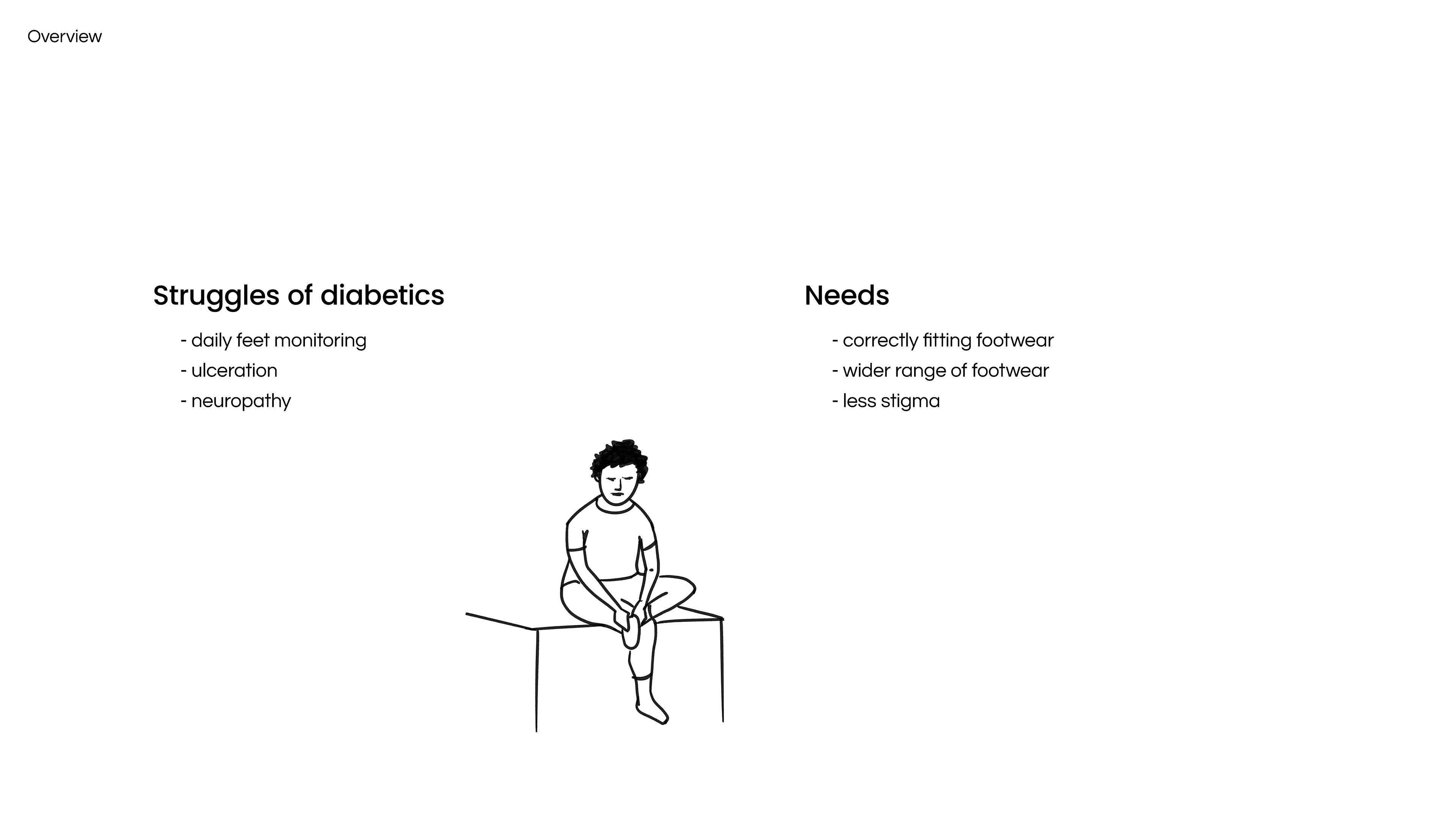
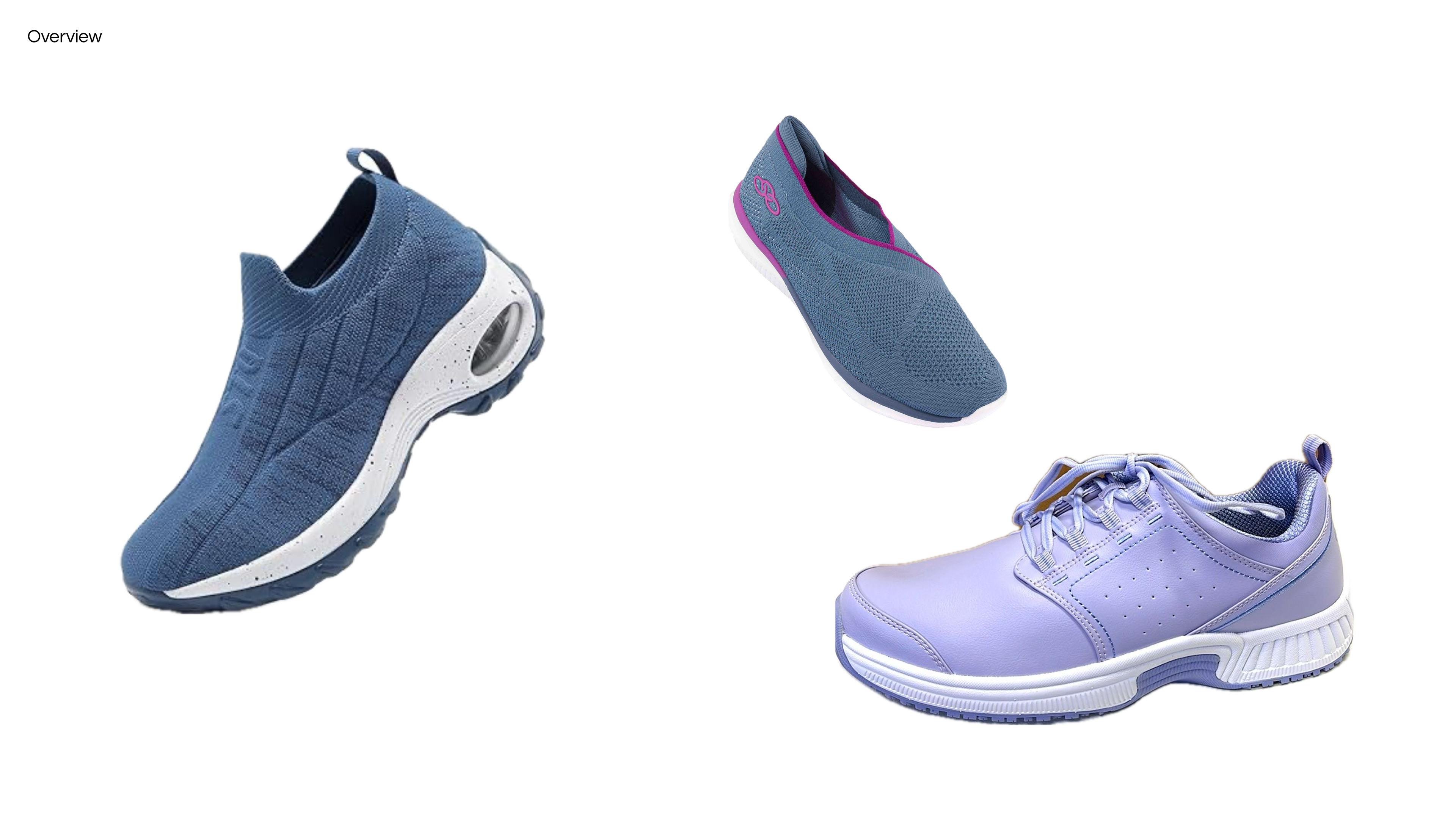
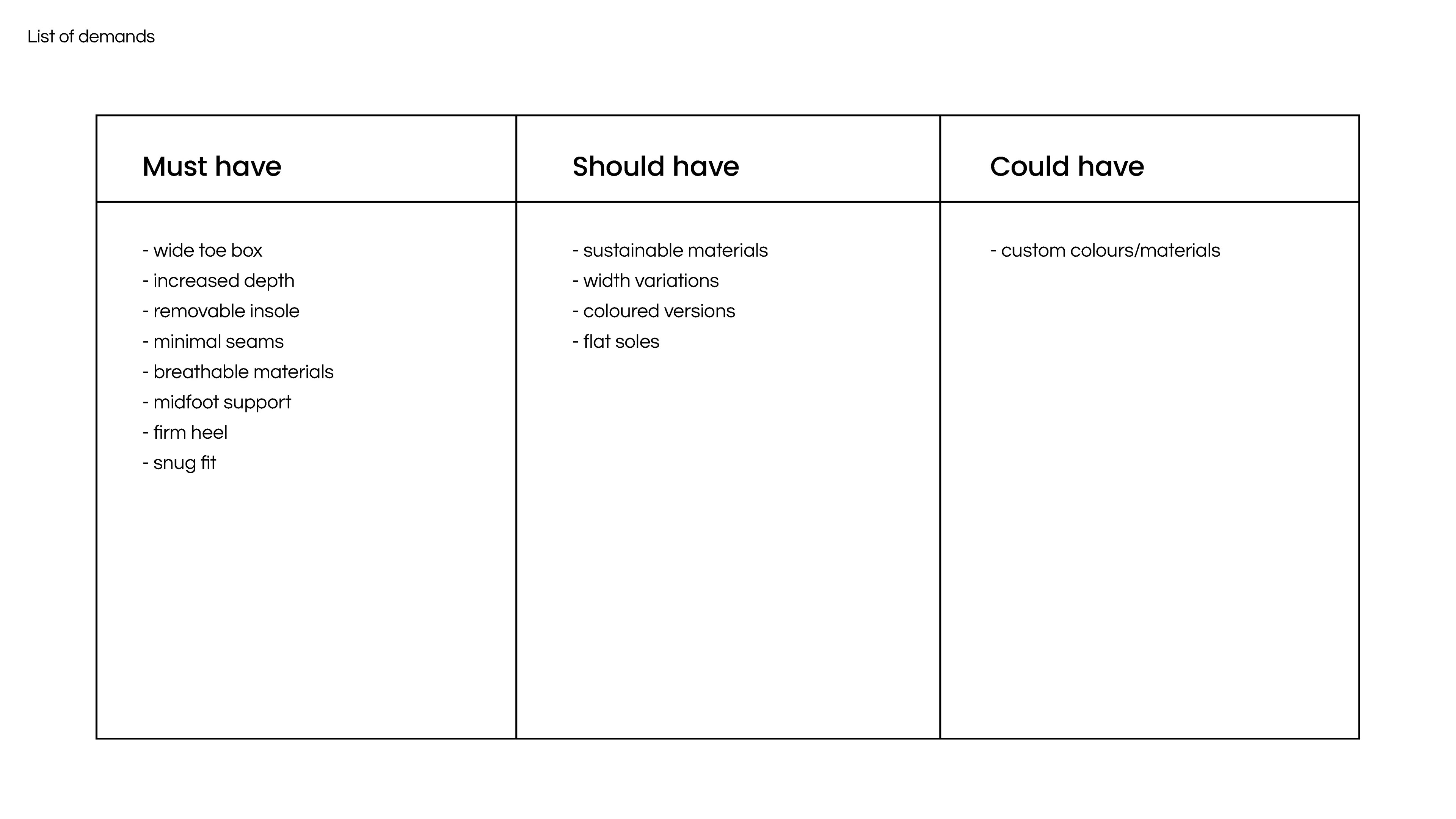
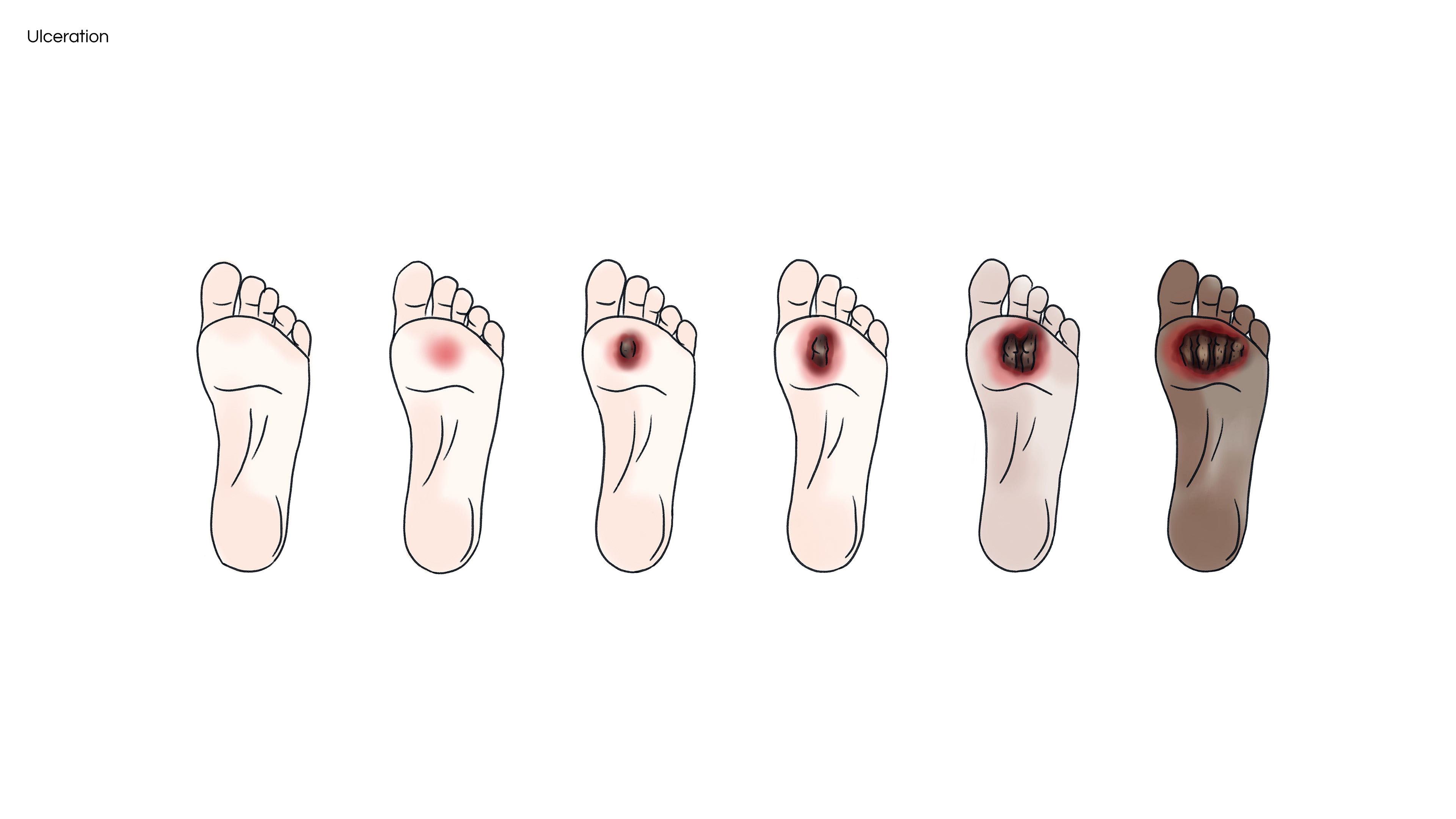
If we look at diabetes, it’s not only about insulin and maintaining proper blood sugar level. It brings so much into physical side. People with type 1 and 2 diabetes have to monitor their feet daily and check for any irregularities – from small discolorations to blisters or any wounds. Correctly fitting footwear would help them prevent some of the issues but if they wanted to check all of the boxes, like cushioned sole, shoe that accommodates the swelling or one that is deep enough for an insole, they wouldn’t have that many options.
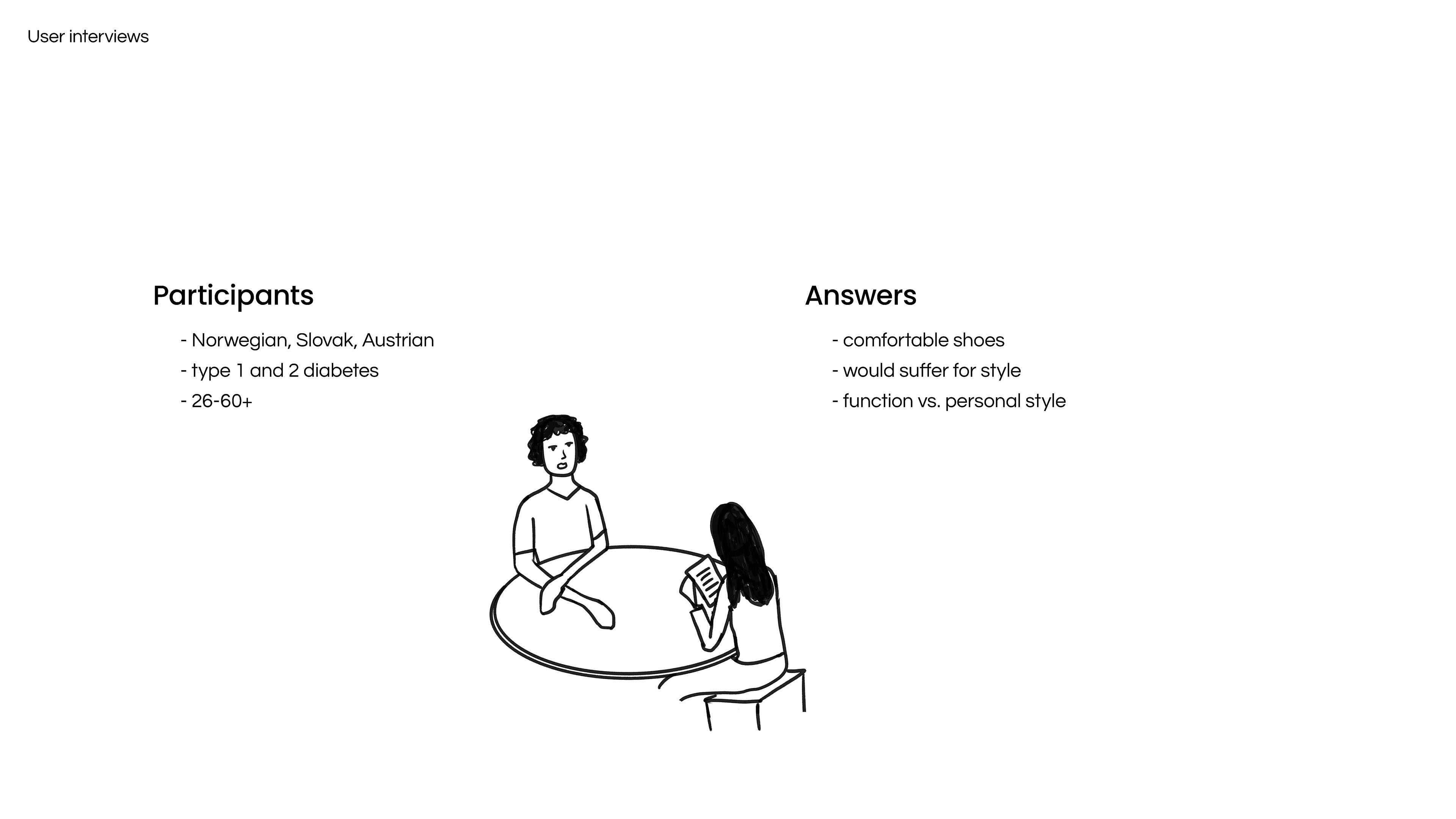
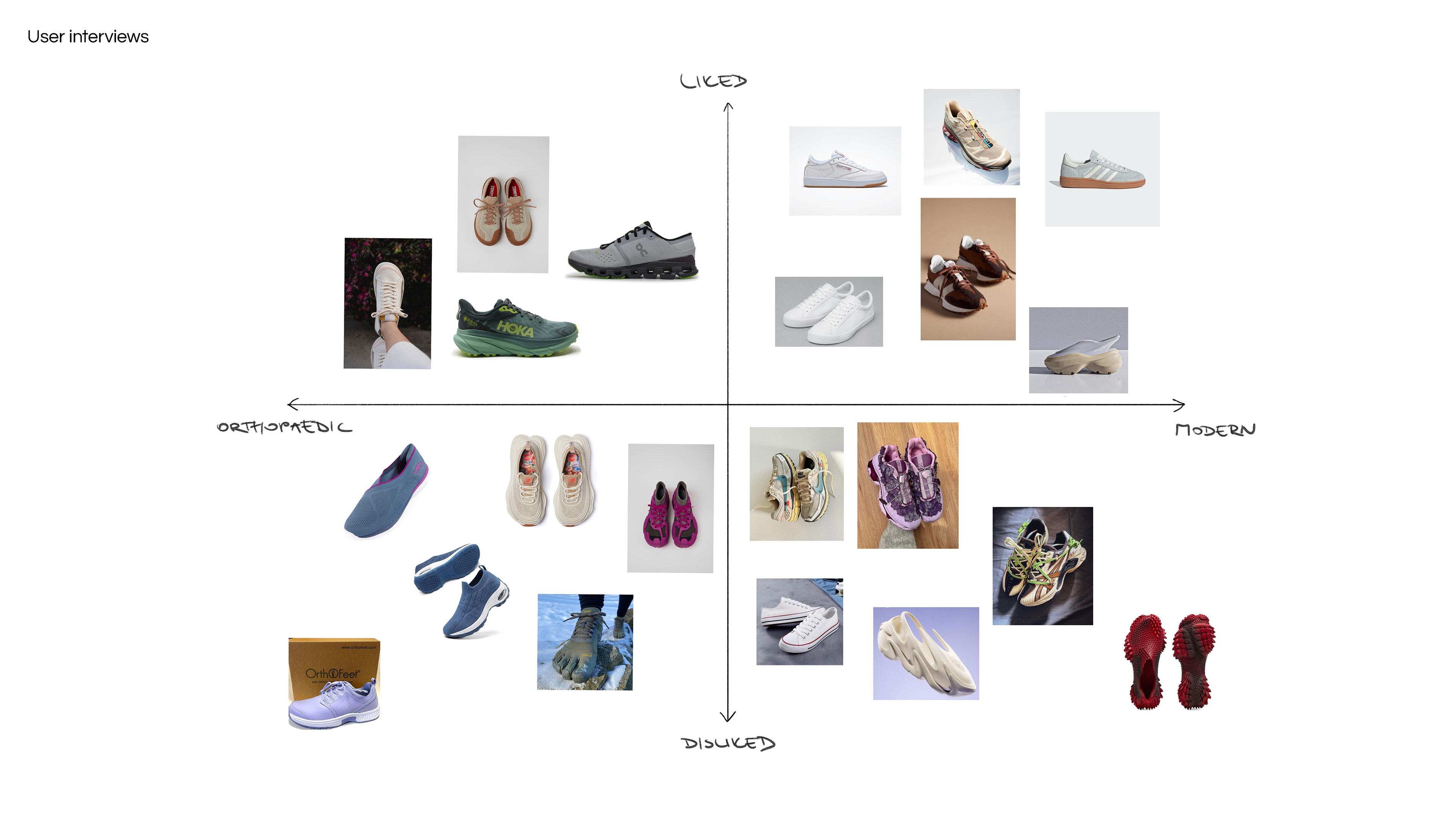
So often they don’t even consider specialised footwear since it doesn’t correlate with their personal style and needs. They also said they feel stigmatised and as if they’re being pointed out in the crowd if wearing medical shoes.
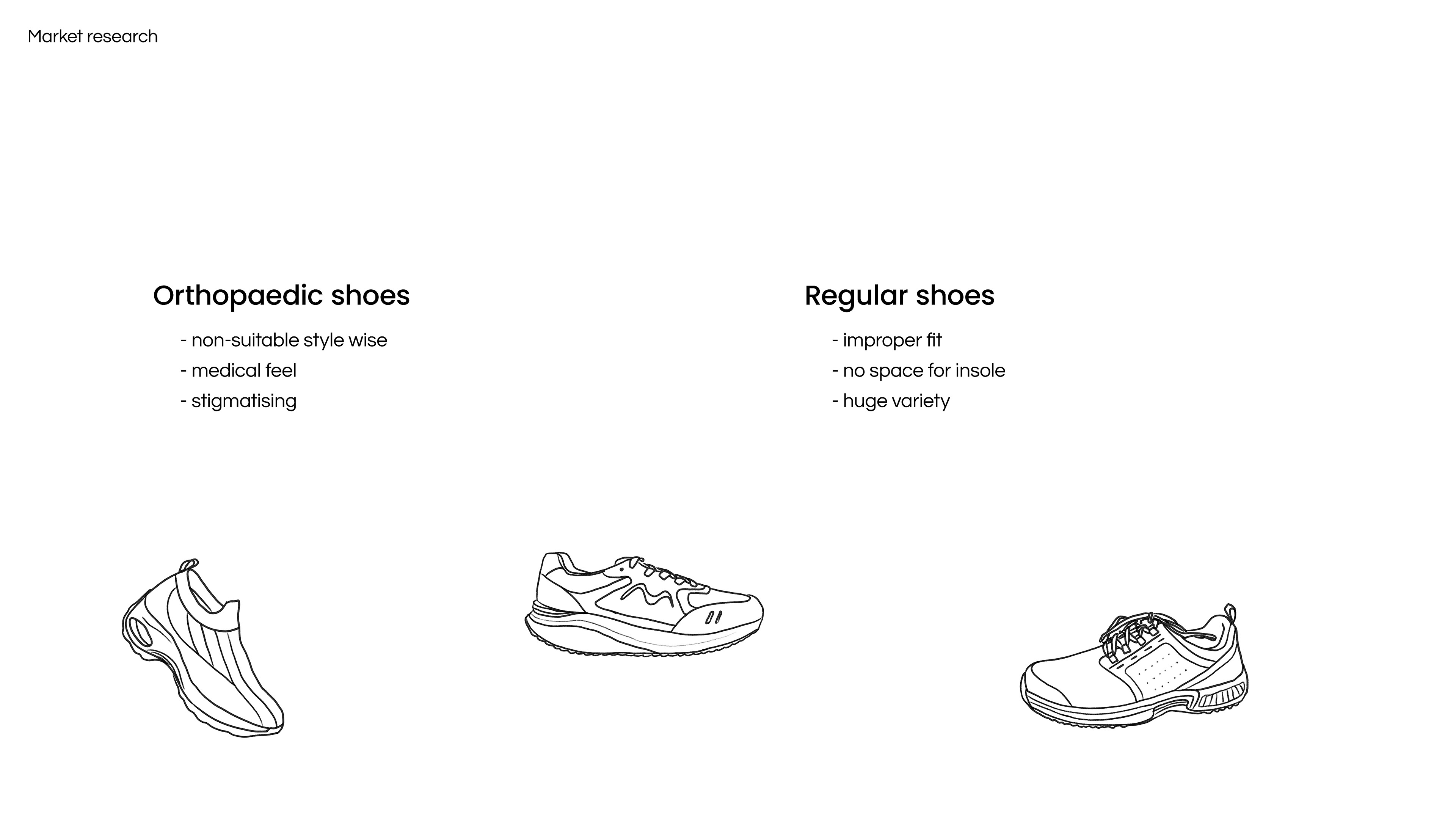
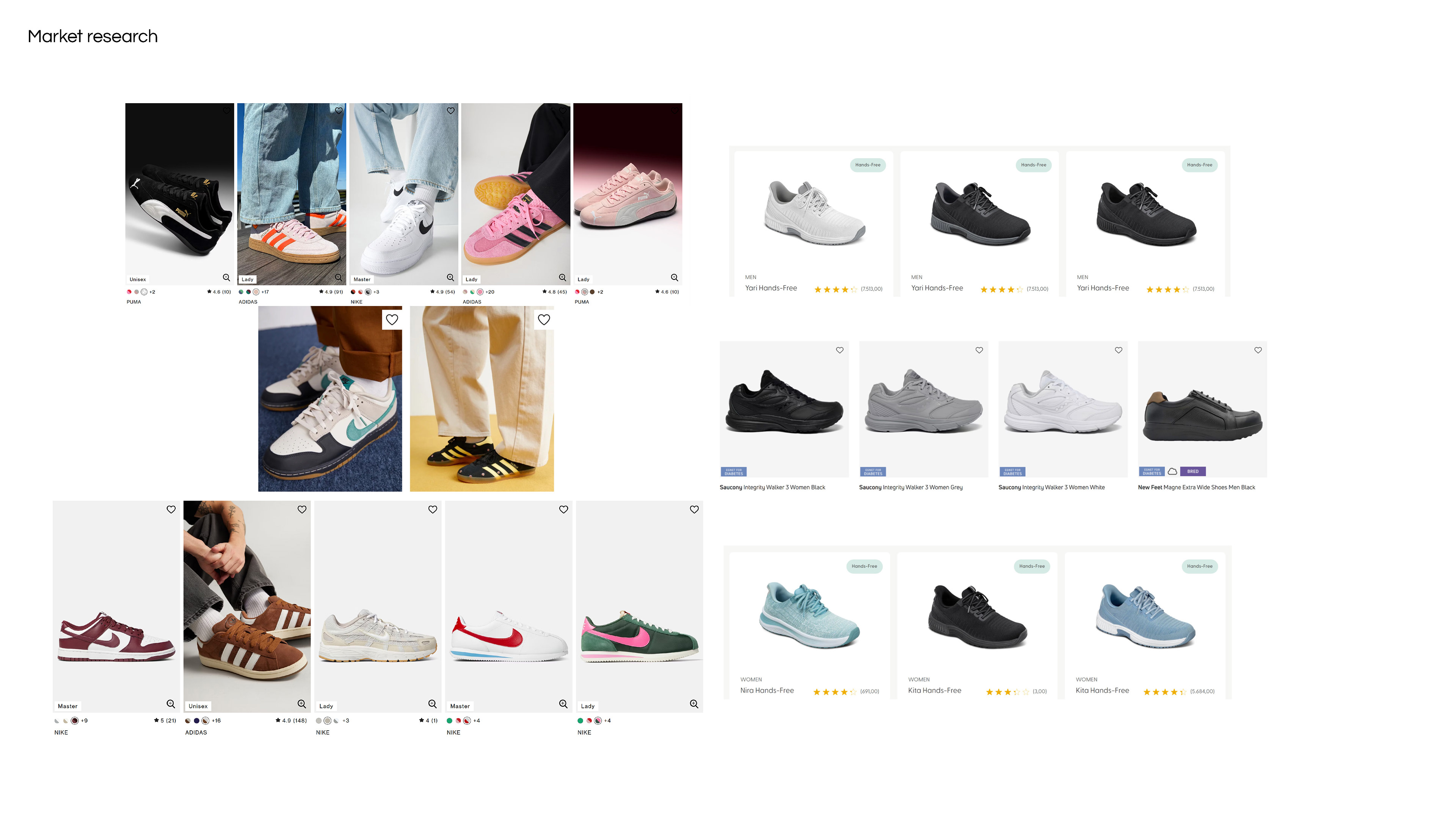
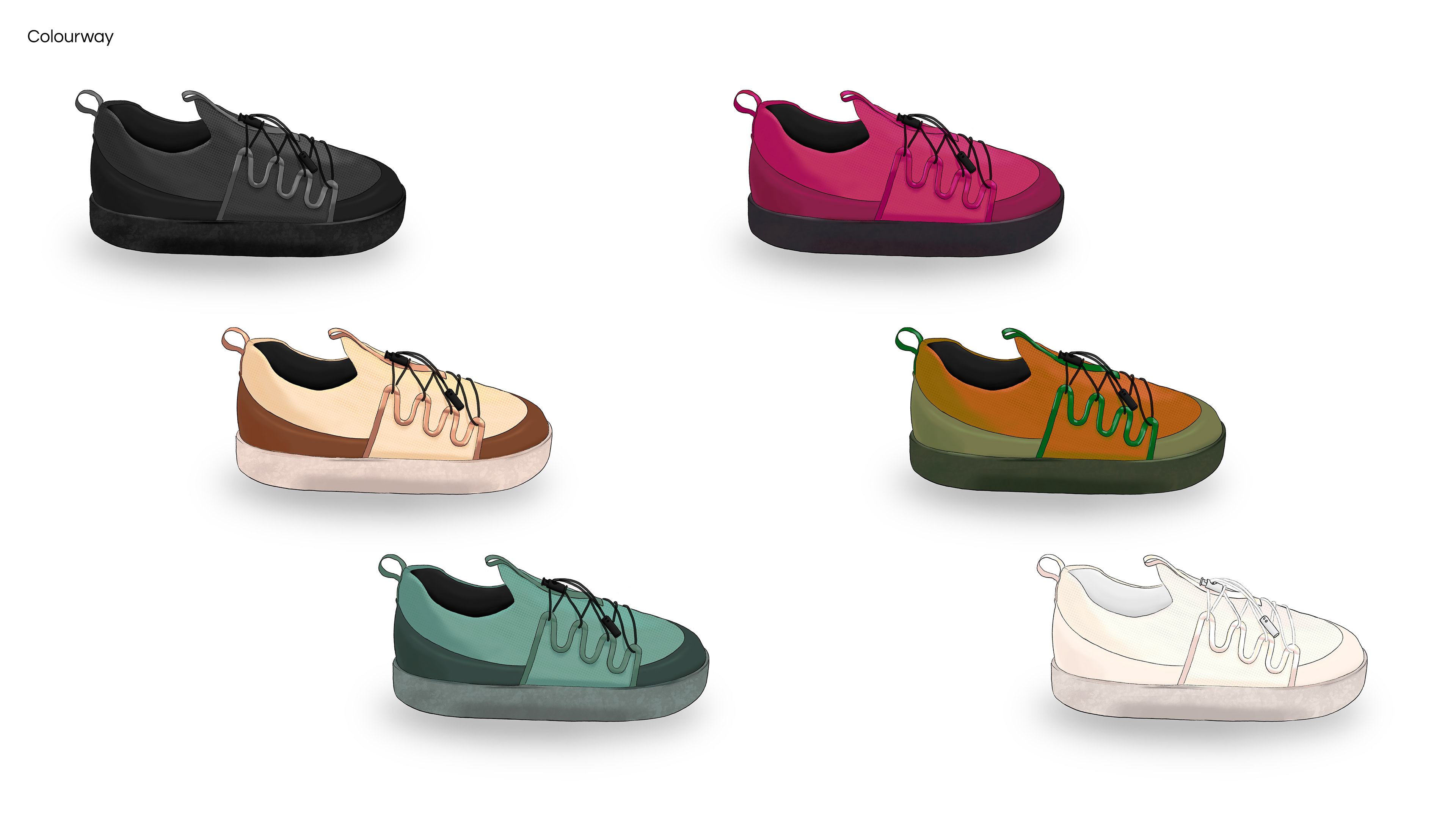
After my initial diabetes research, I did market research. I compared orthopaedic and regular shoes, looking at technicalities both categories offer. If we look at the regular side, we can see that there’s much more option in terms of colours and styles although it does not provide all the necessities required for footwear for diabetics. On the other hand, specialised shoes are excellent for your feet but offer less variation in style. They often resemble running shoes, which may not suit every individual.
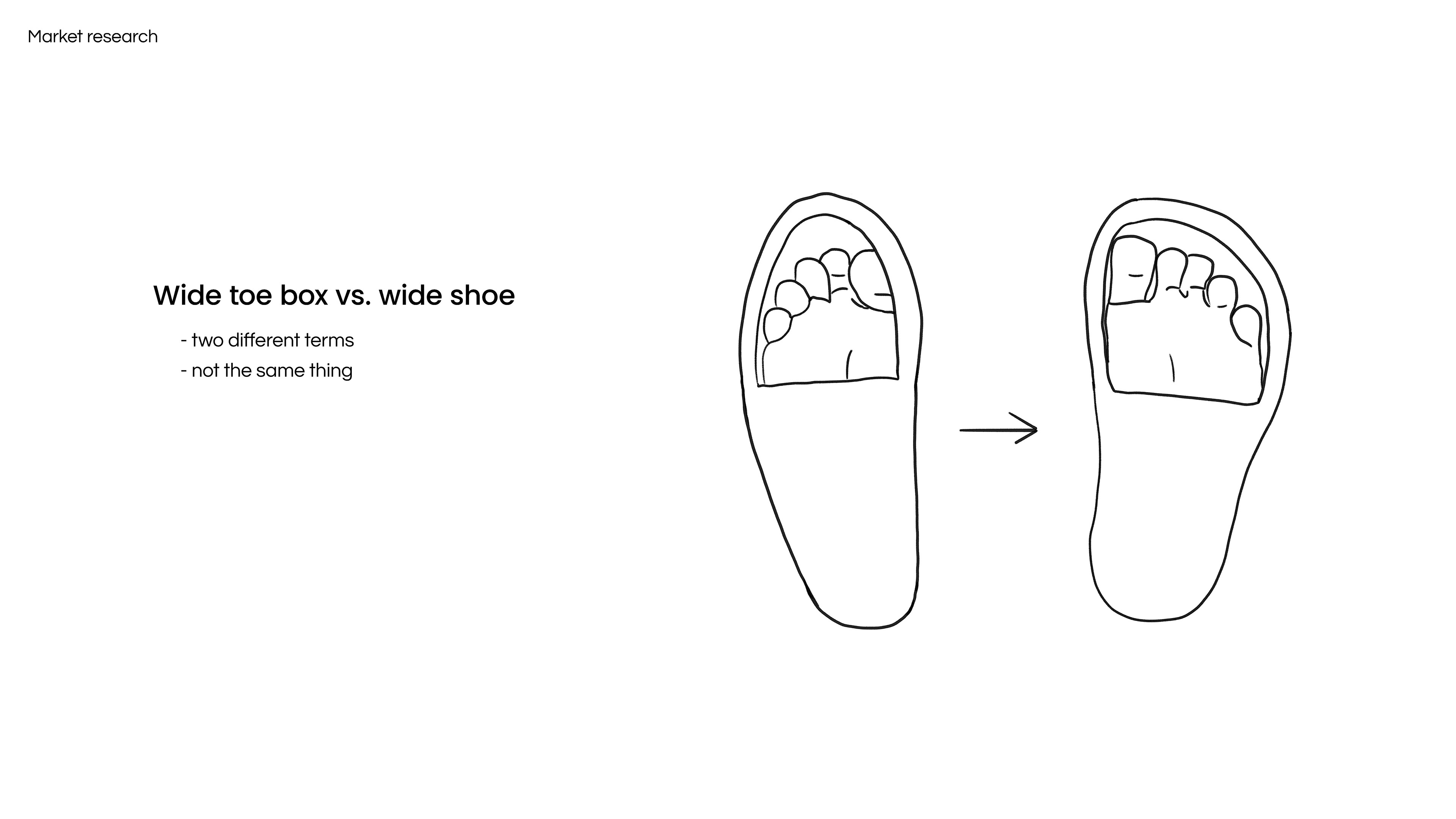
What I found interesting during my research is, that many people confuse the term wide shoe with wide toe box. They often think that having a wide shoe automatically means having a toe box that isn’t tapered. Wide toe box is important when we want to avoid deformities such as hammer toes.
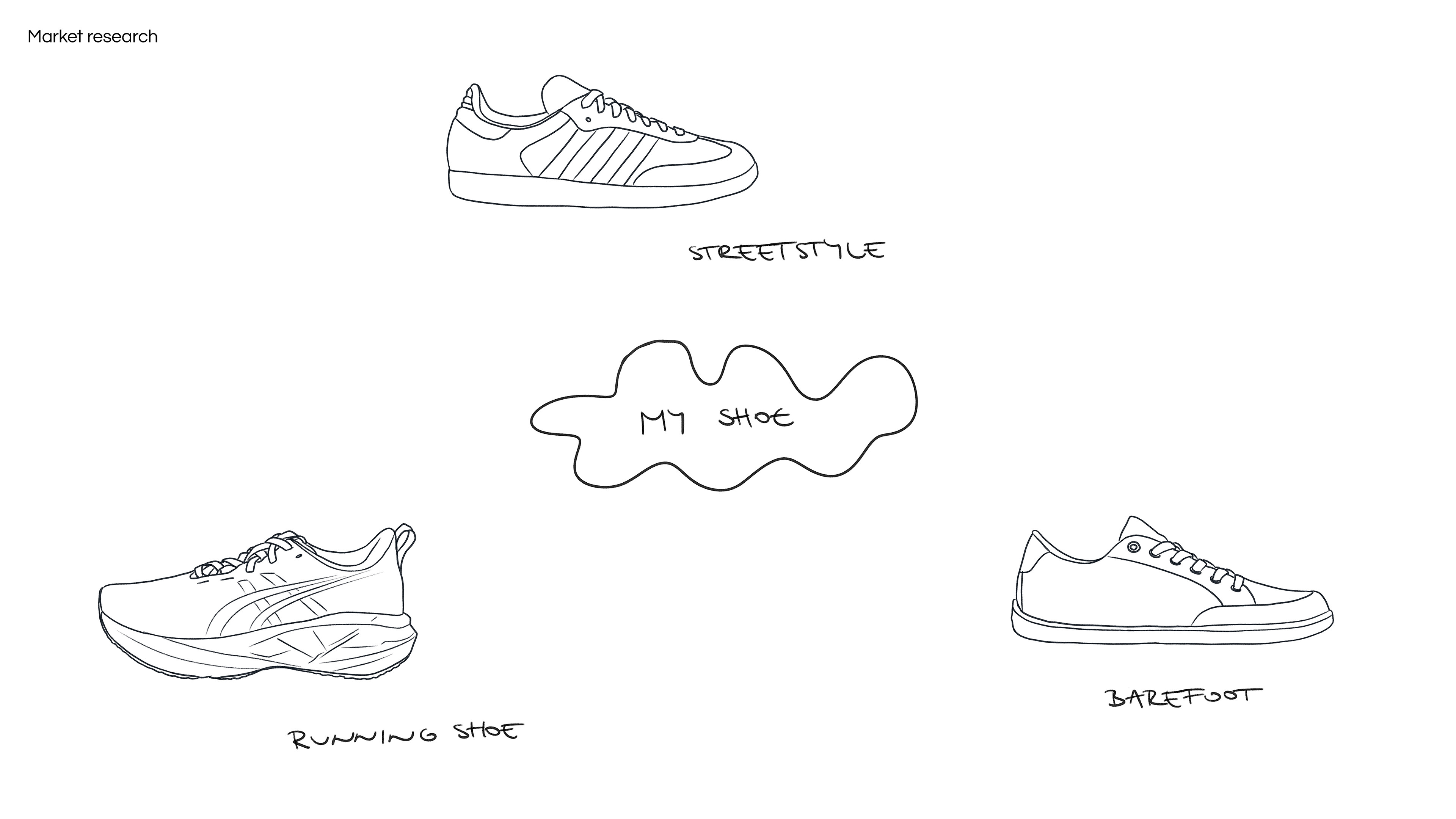
And so, I found this seemingly empty space in the market, and I wanted to position my shoe exactly there, combining positive aspects of different categories. Cushioned sole from running shoes, style and variety of streetstyle shoes and the overall foot shape of barefoot shoes.