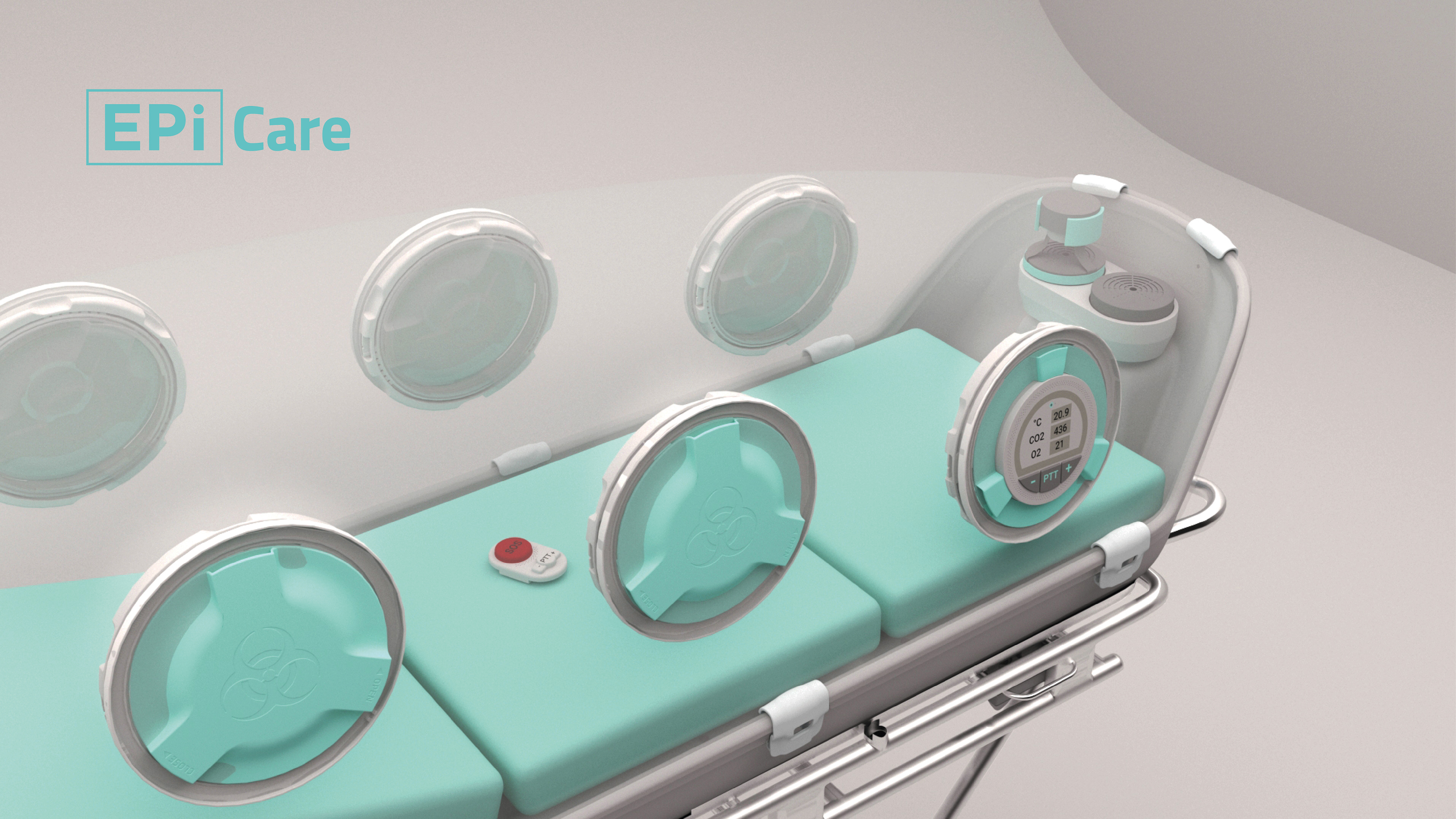
For more information regarding EpiShuttle head to their website - https://epiguard.com/epishuttle/.
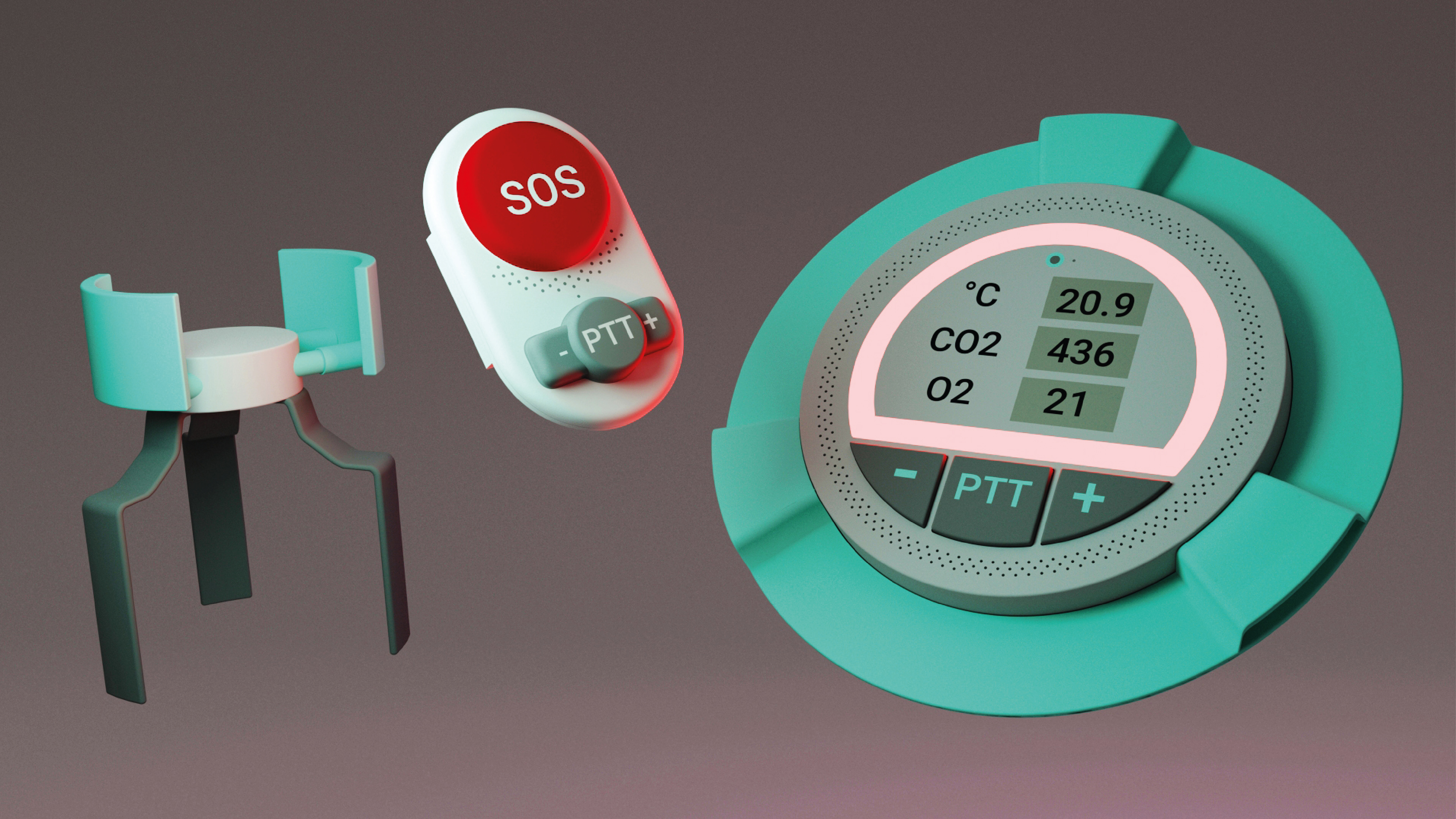
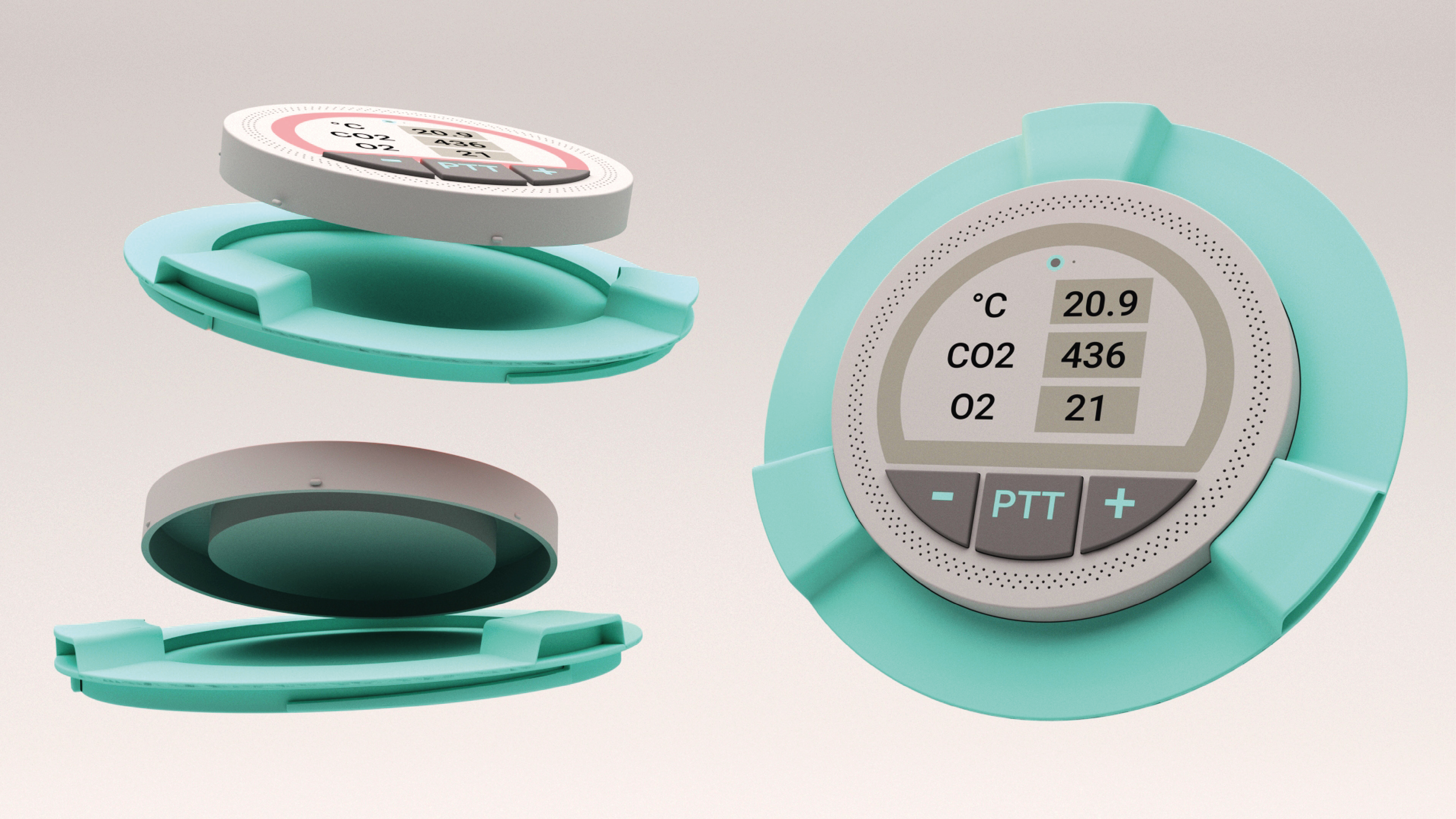
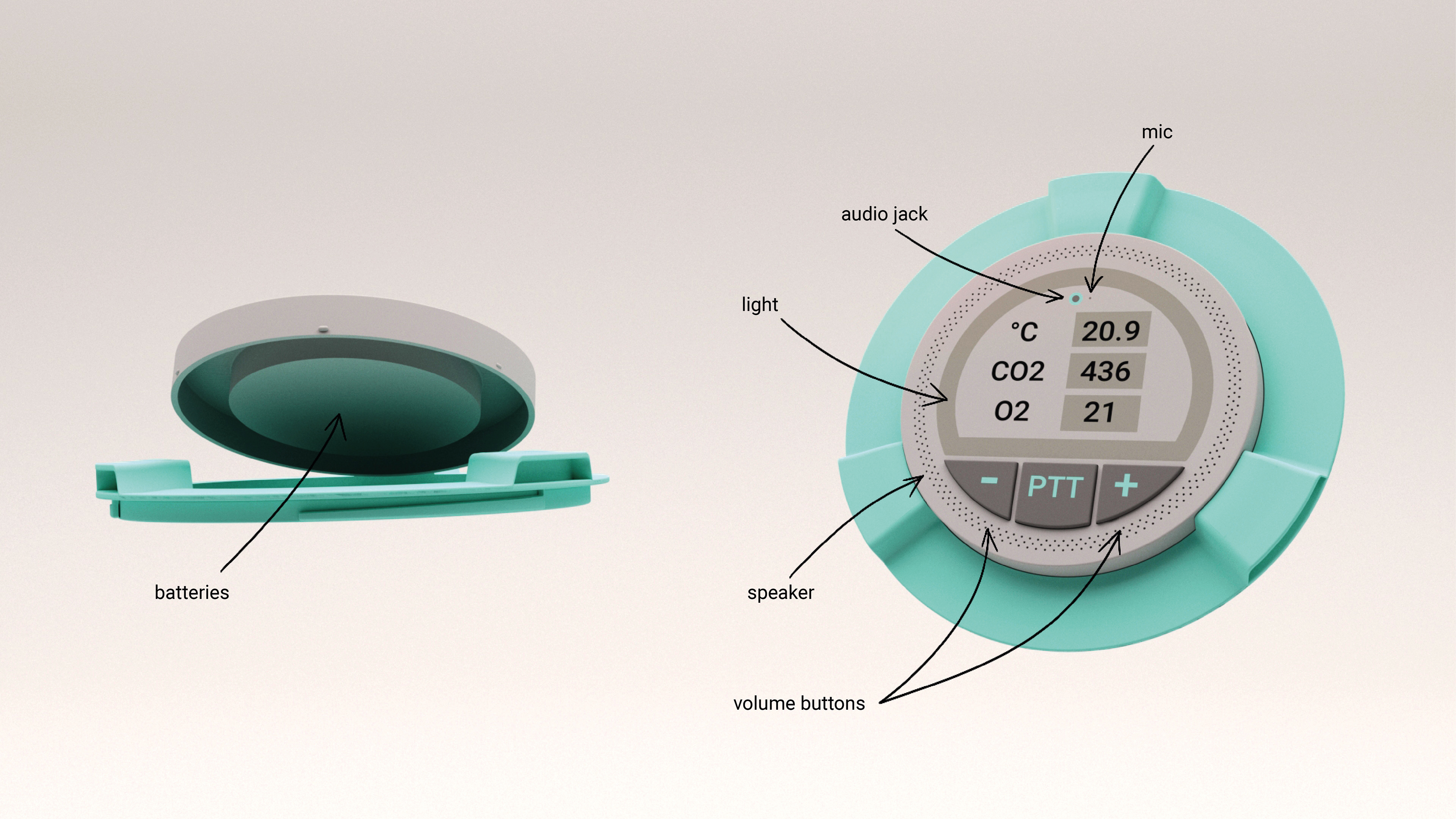
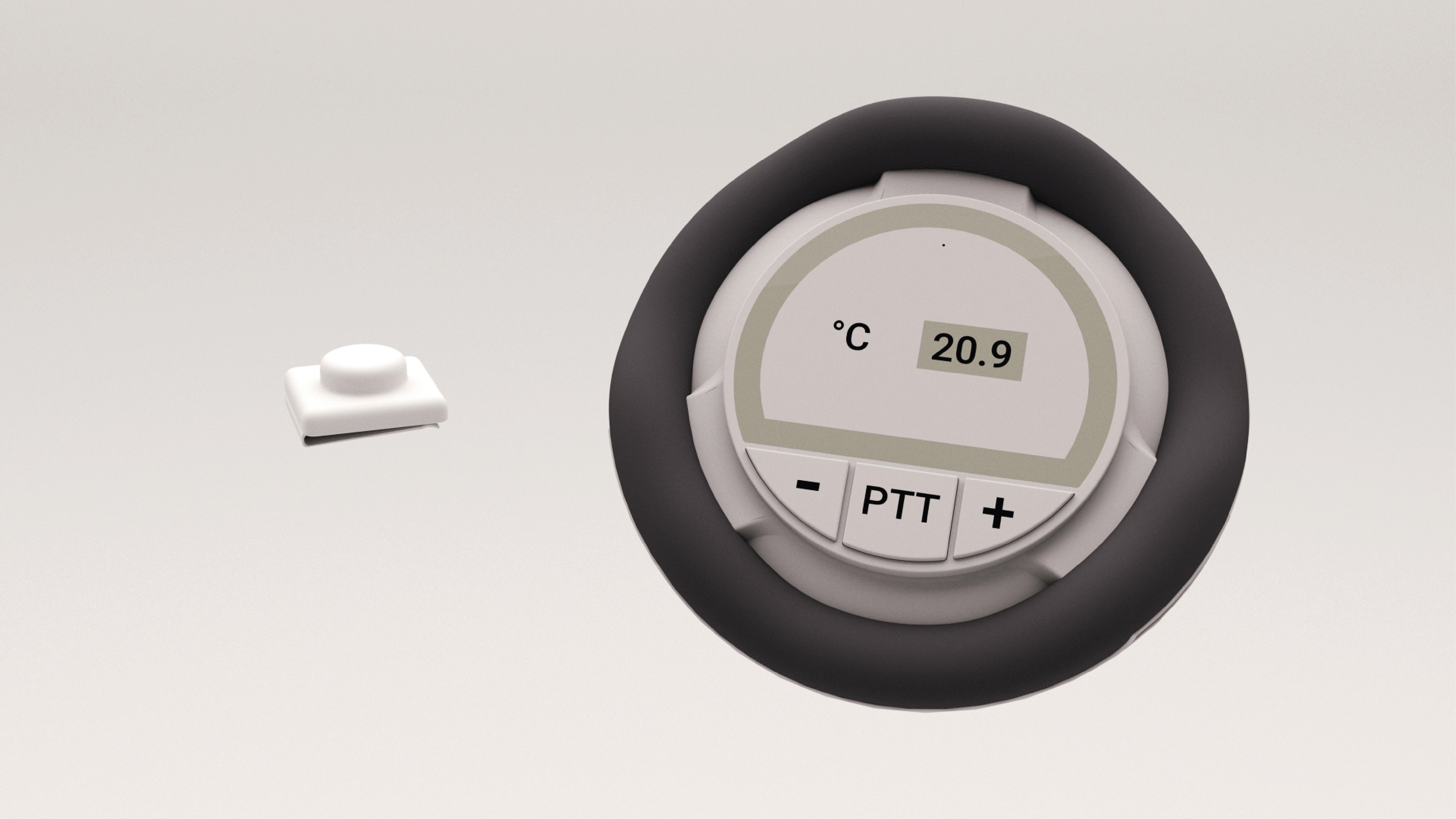
Starting off with the display - it fits into any glove port without disrupting the already existing work flow. It has sensor readings (temperature, CO2 and oxygen levels) combined with light that is activated by pressing the SOS button combined with alarm. On the bottom of the display are three buttons - volume and push to talk button. Included is a speaker and a mic in the upper part along with audio jack for headphones.
The display itself can be removed from the lid, on the bottom part you can find a cover where batteries can be inserted.
The display itself can be removed from the lid, on the bottom part you can find a cover where batteries can be inserted.
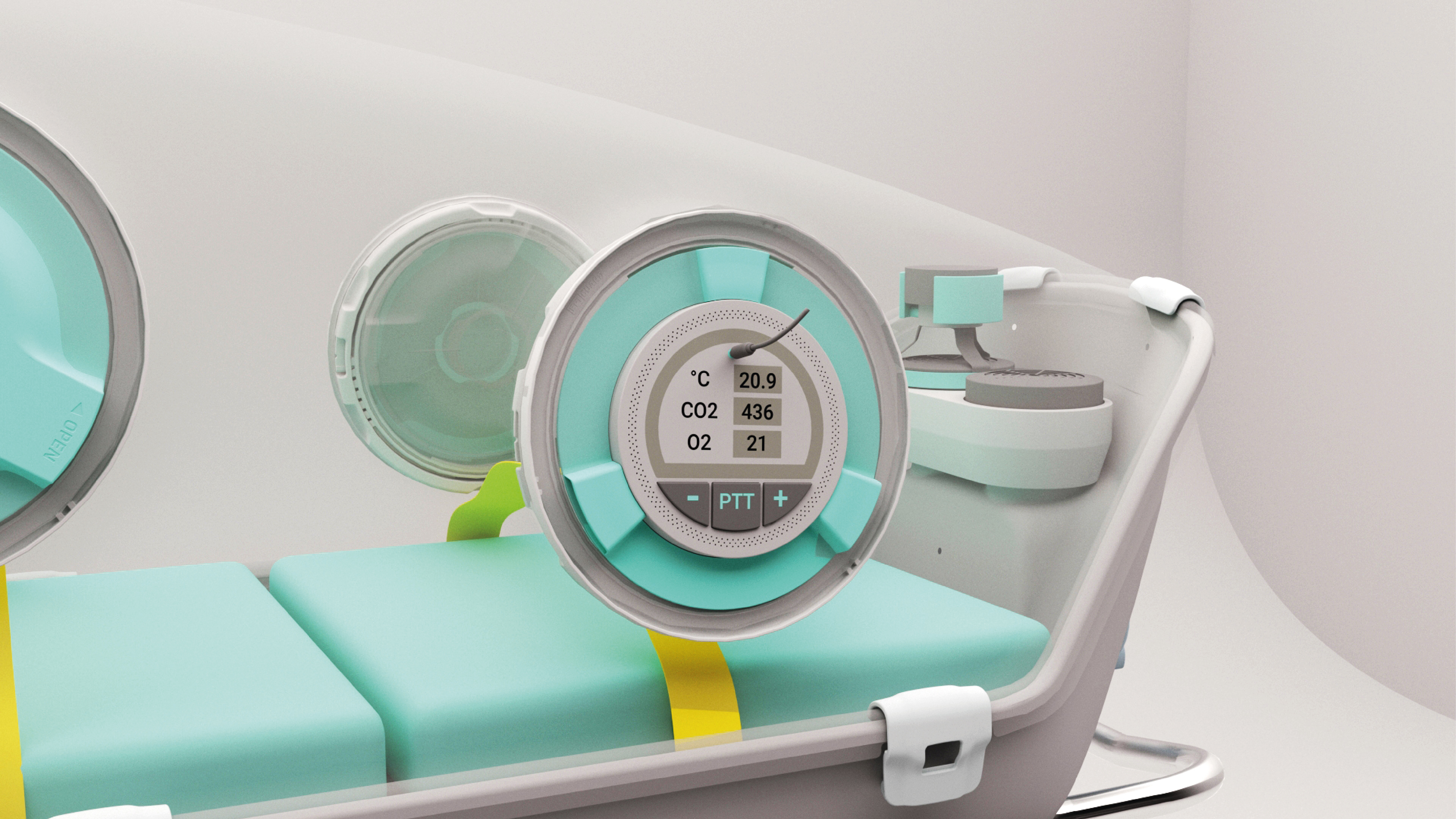
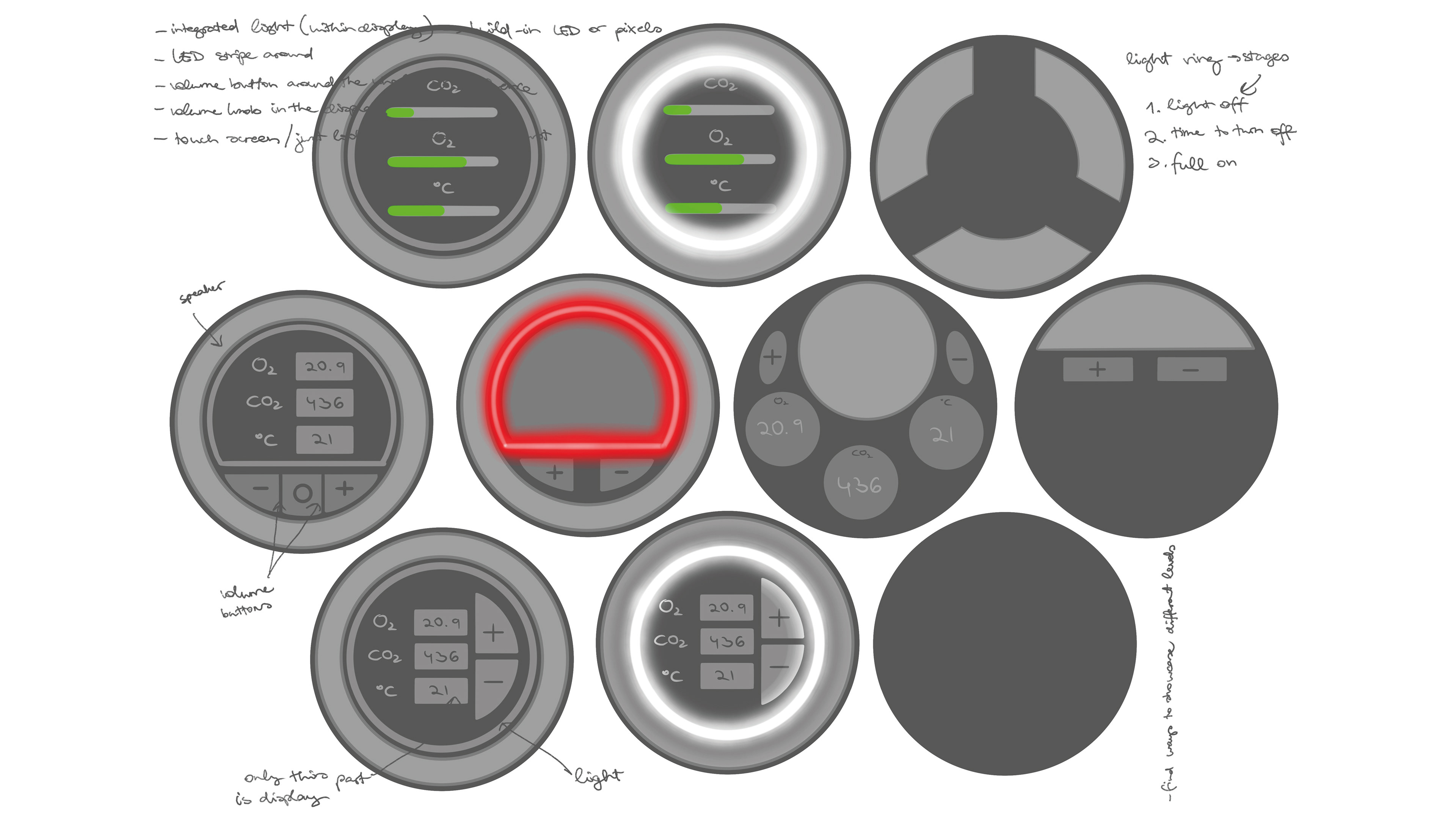
When designing the display itself I tried out multiple layouts of the buttons, speaker and readings. With the readings I also played a bit with different variations of showcasing the numbers but the one I chose made the most sense - it's simple and straightforward enough to be understood immediately. Also because it's battery operated I wanted it to have only the truly important features.
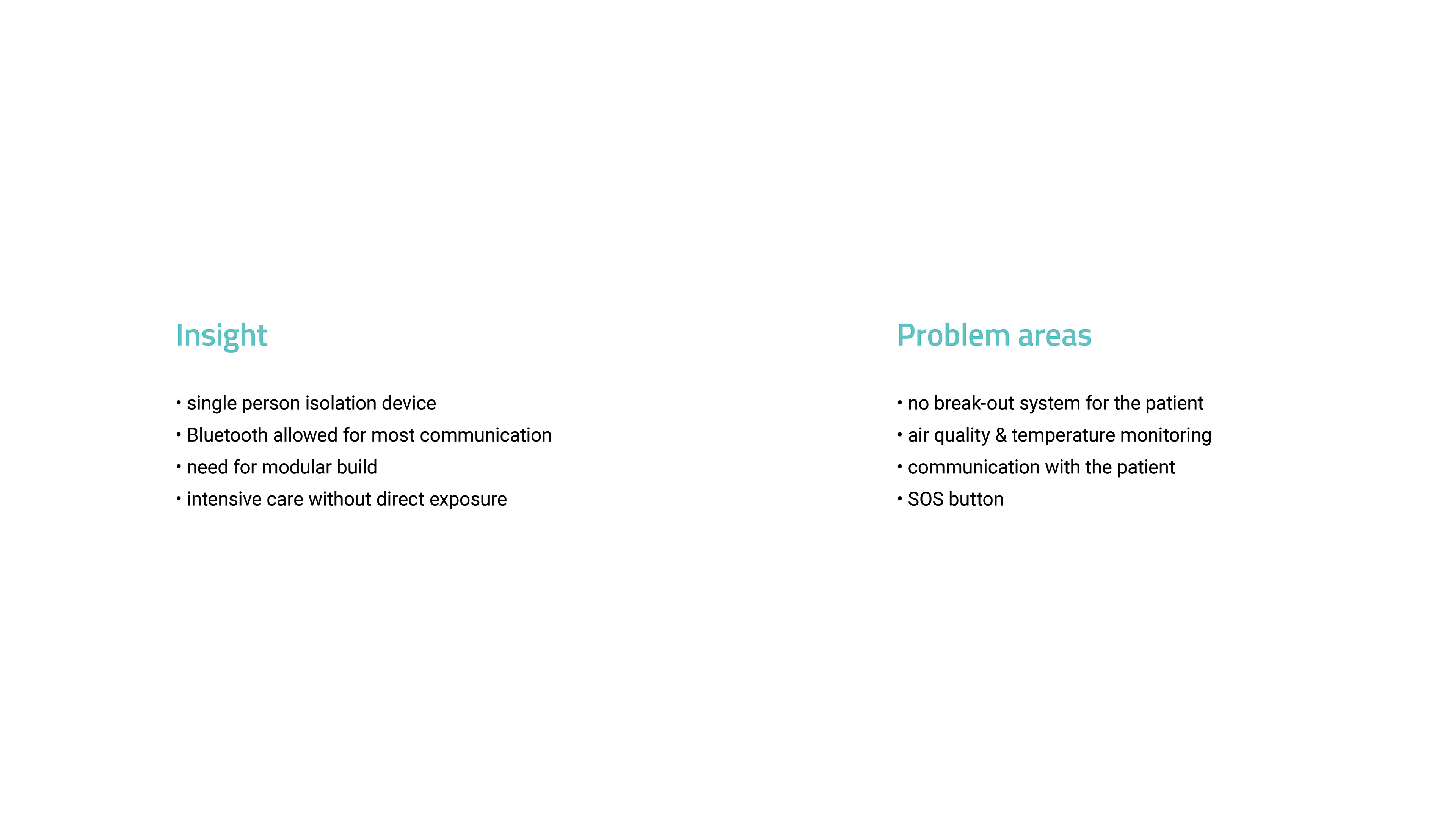
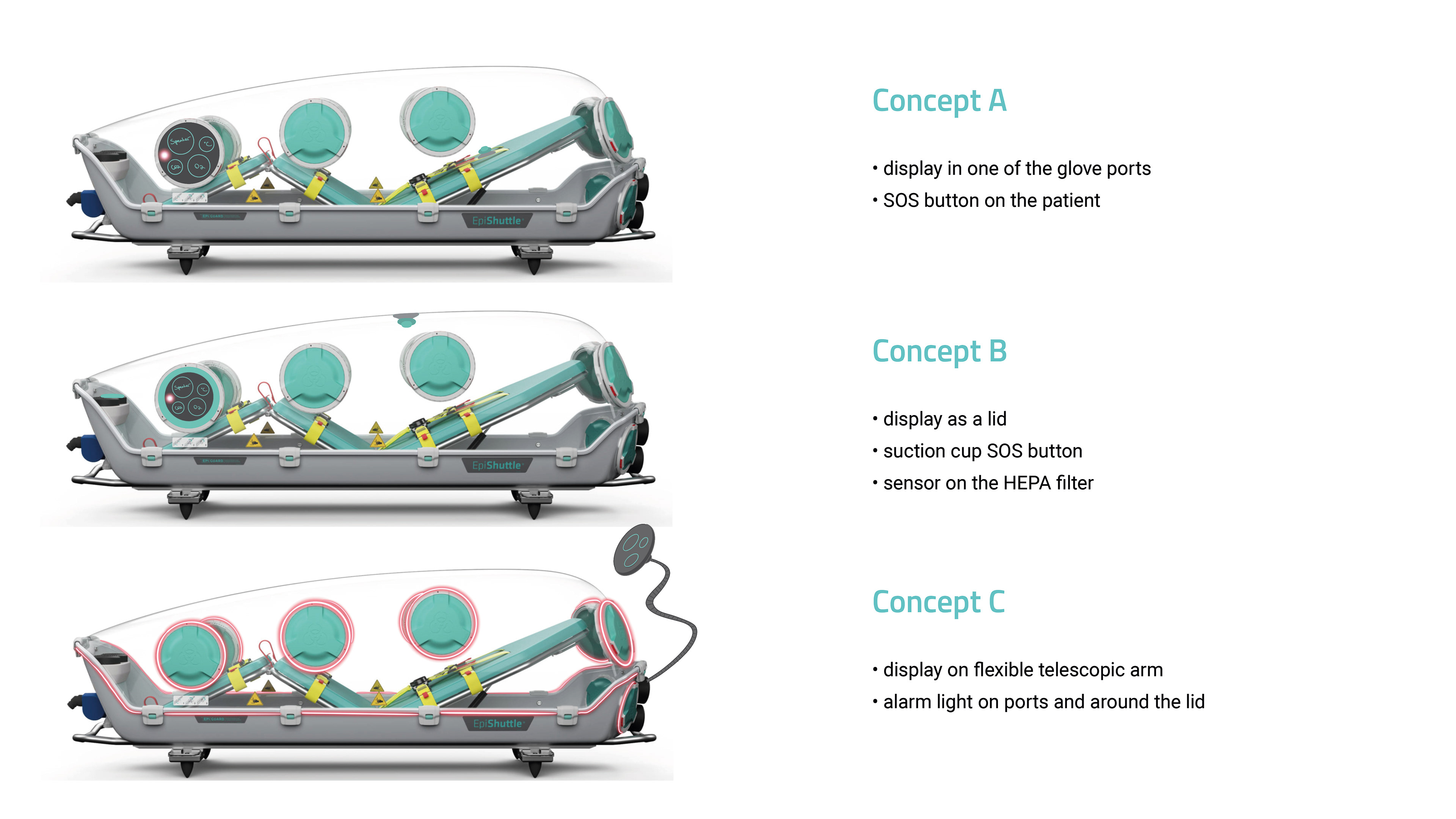
When I started designing I wanted to keep it very minimal and let the patient have only a button attached to the straps they're wearing and have an inner display that has the same features as the outside one but only shows the temperature.
Problem was, that the patient would have to be able to reach one of the ports closest to them. There was a chance, that after using one of the ports the lid may not be replaced and the patient may not be able to reach it and use it.
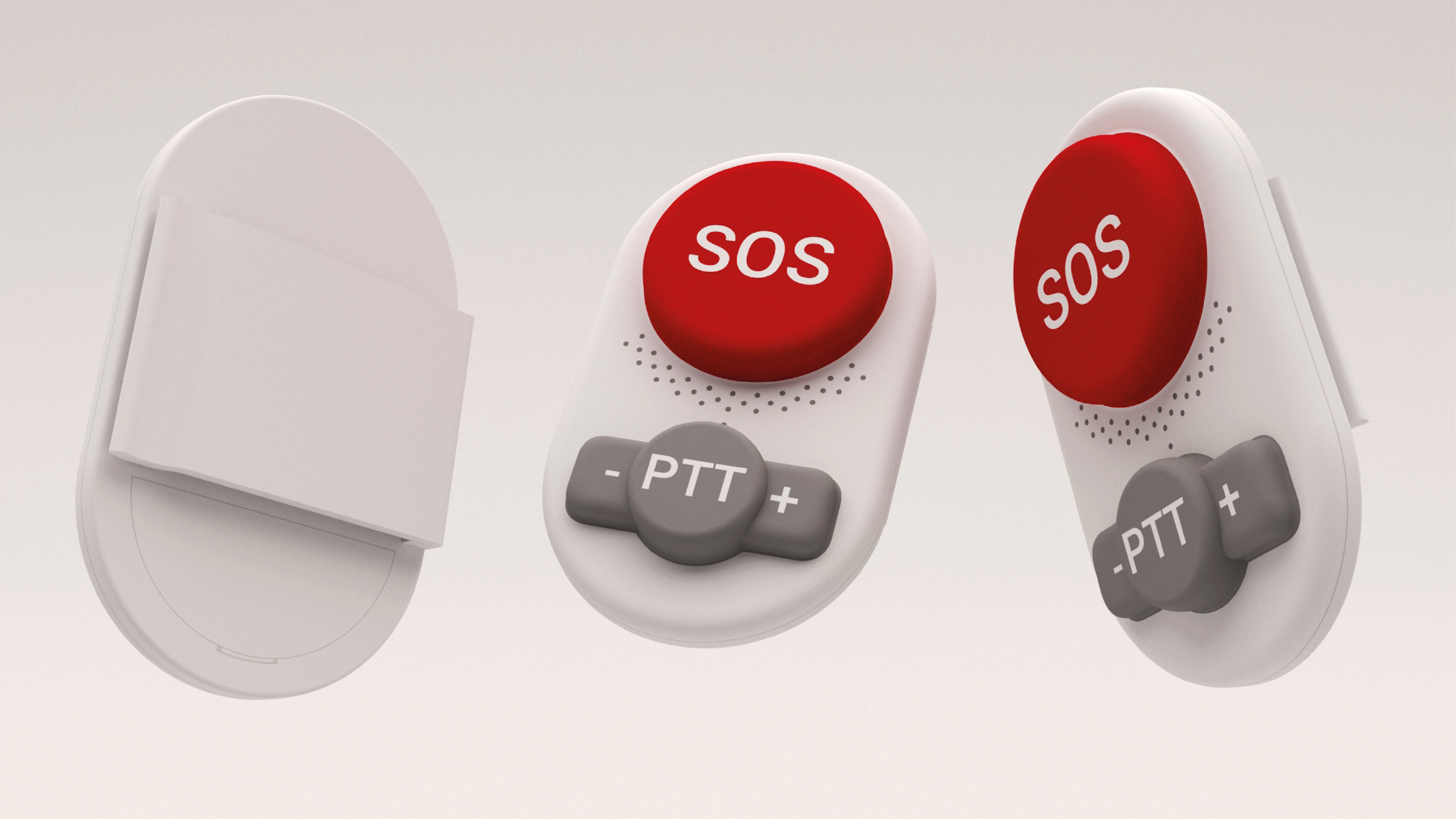
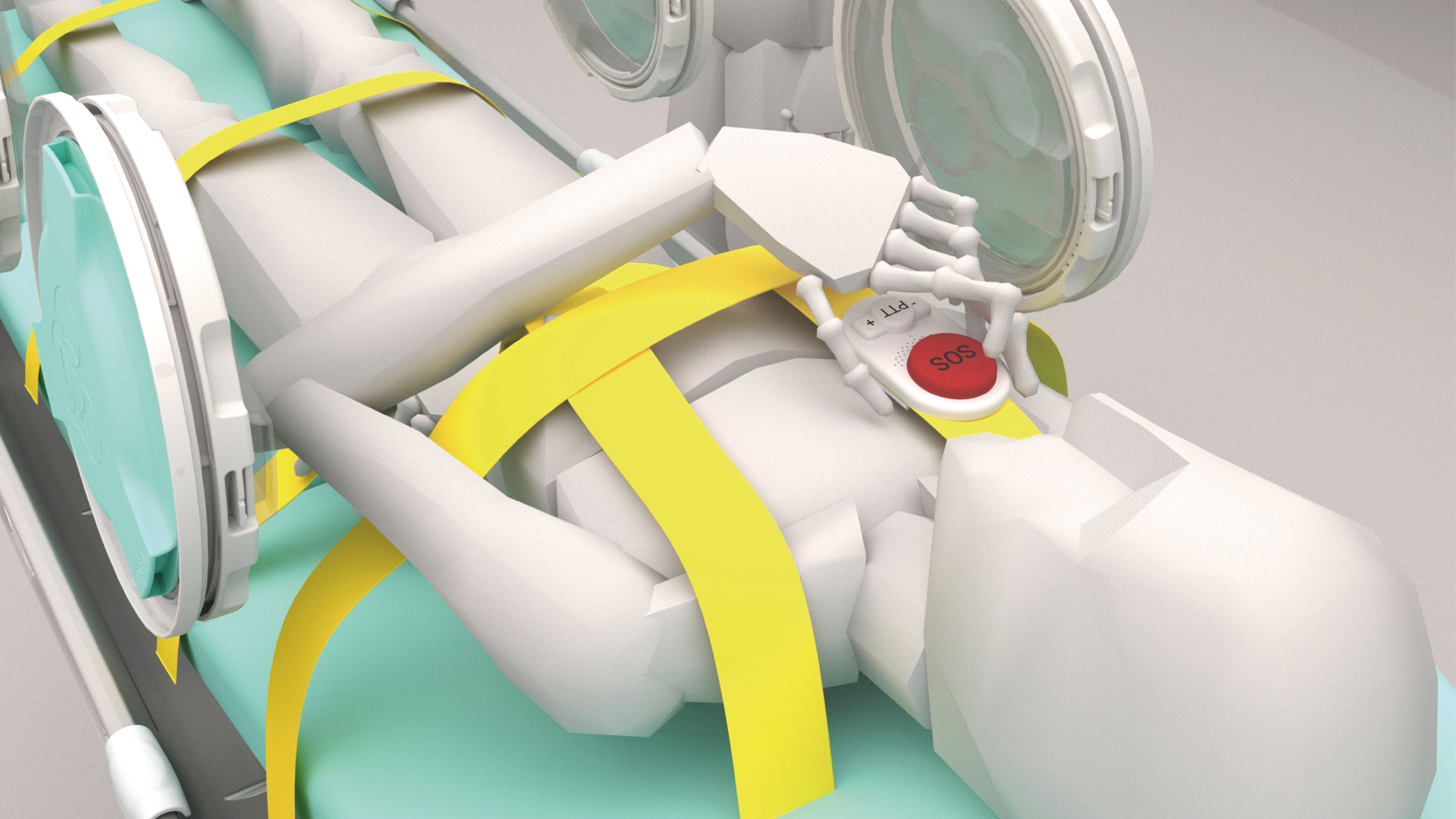
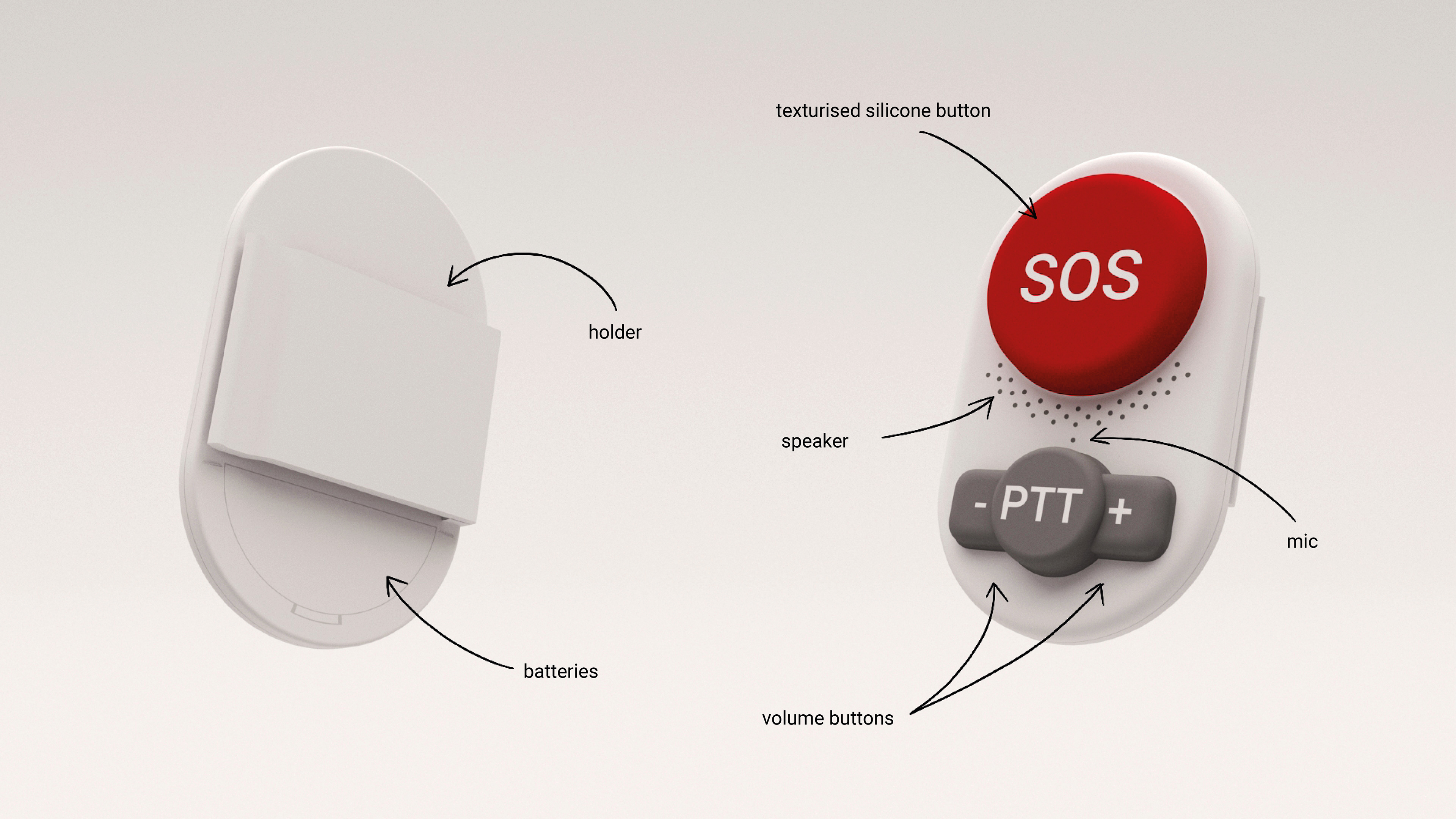
That's why all of the features are now translated into the button that is in the patients reach all the time. The button has PTT, volume and SOS buttons. SOS one is bigger and has a different texture from the PTT/volume ones so it's easily recognisable even without seeing it. It has speaker and a mic and is battery operated (battery cover on the back side). It's very easily attached to the straps that are keeping the patient in place/safe.
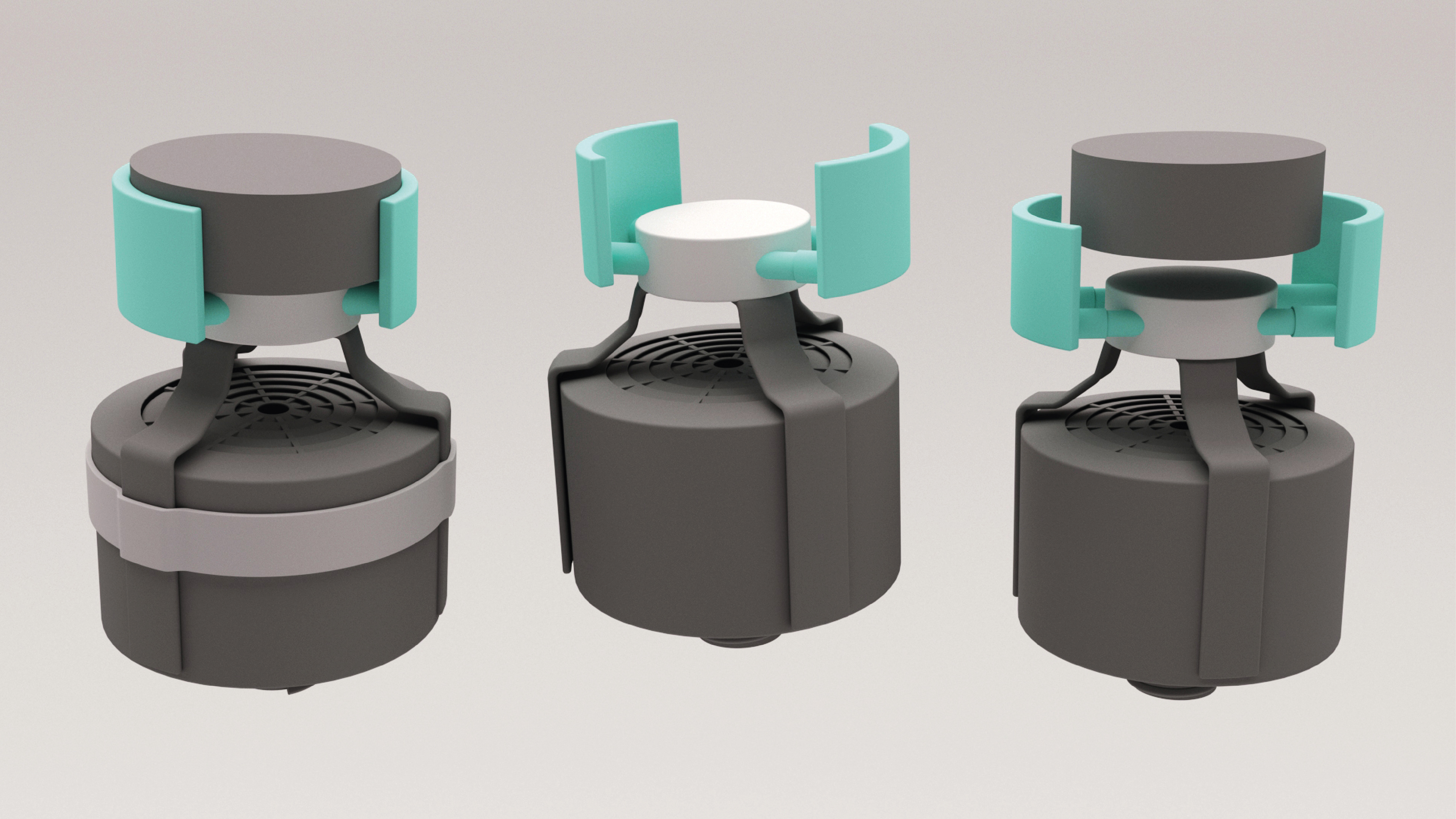
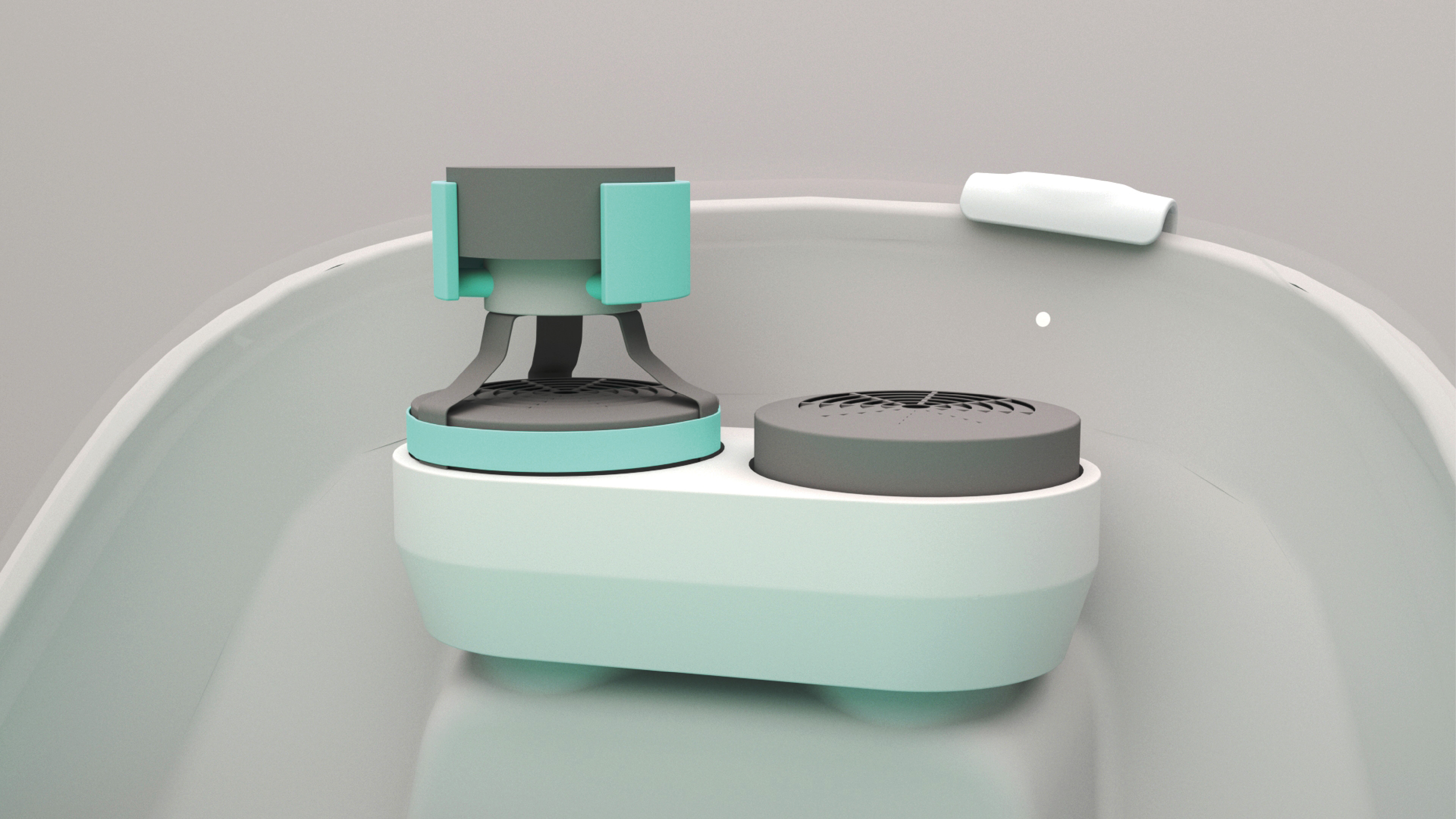
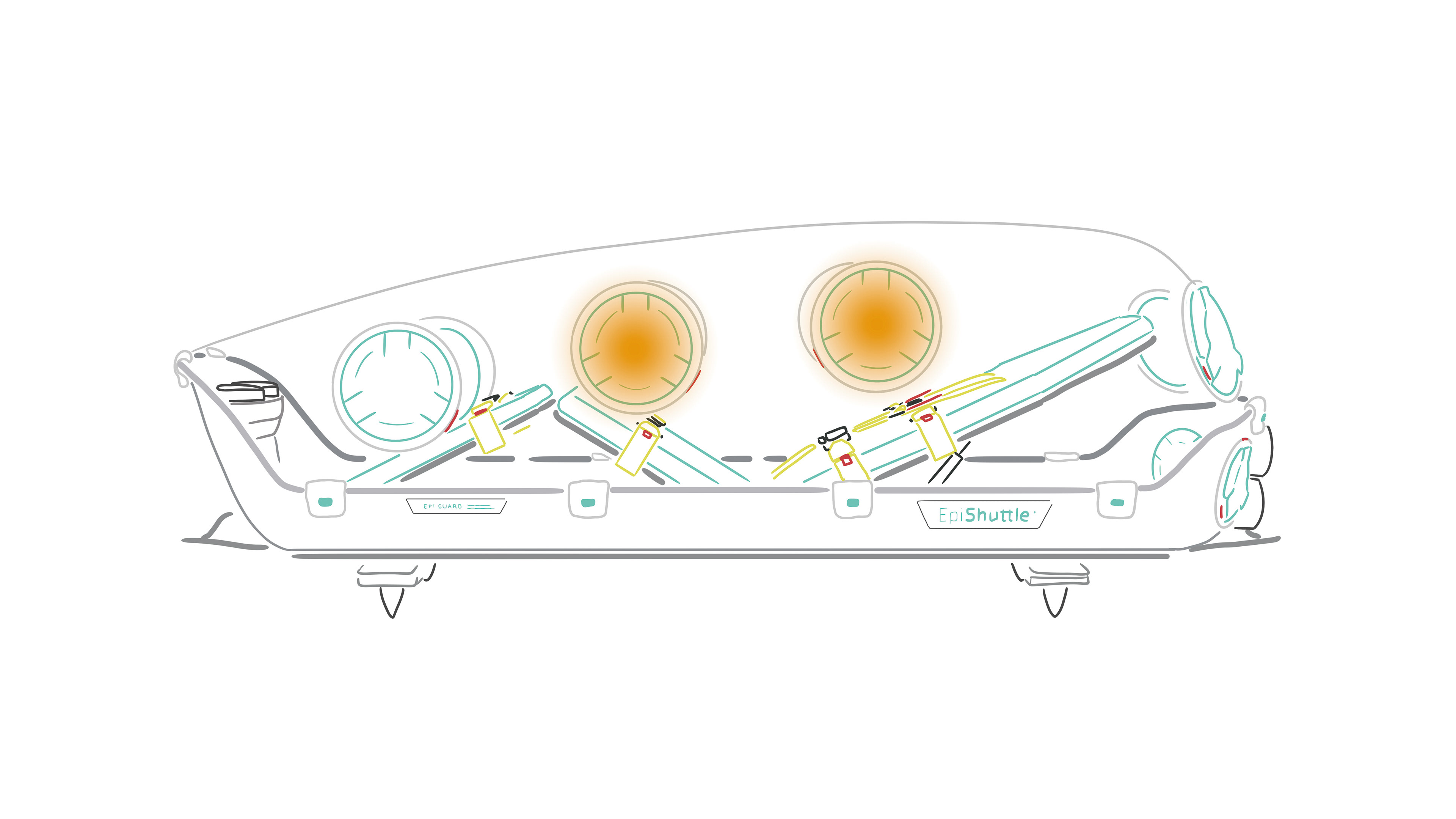
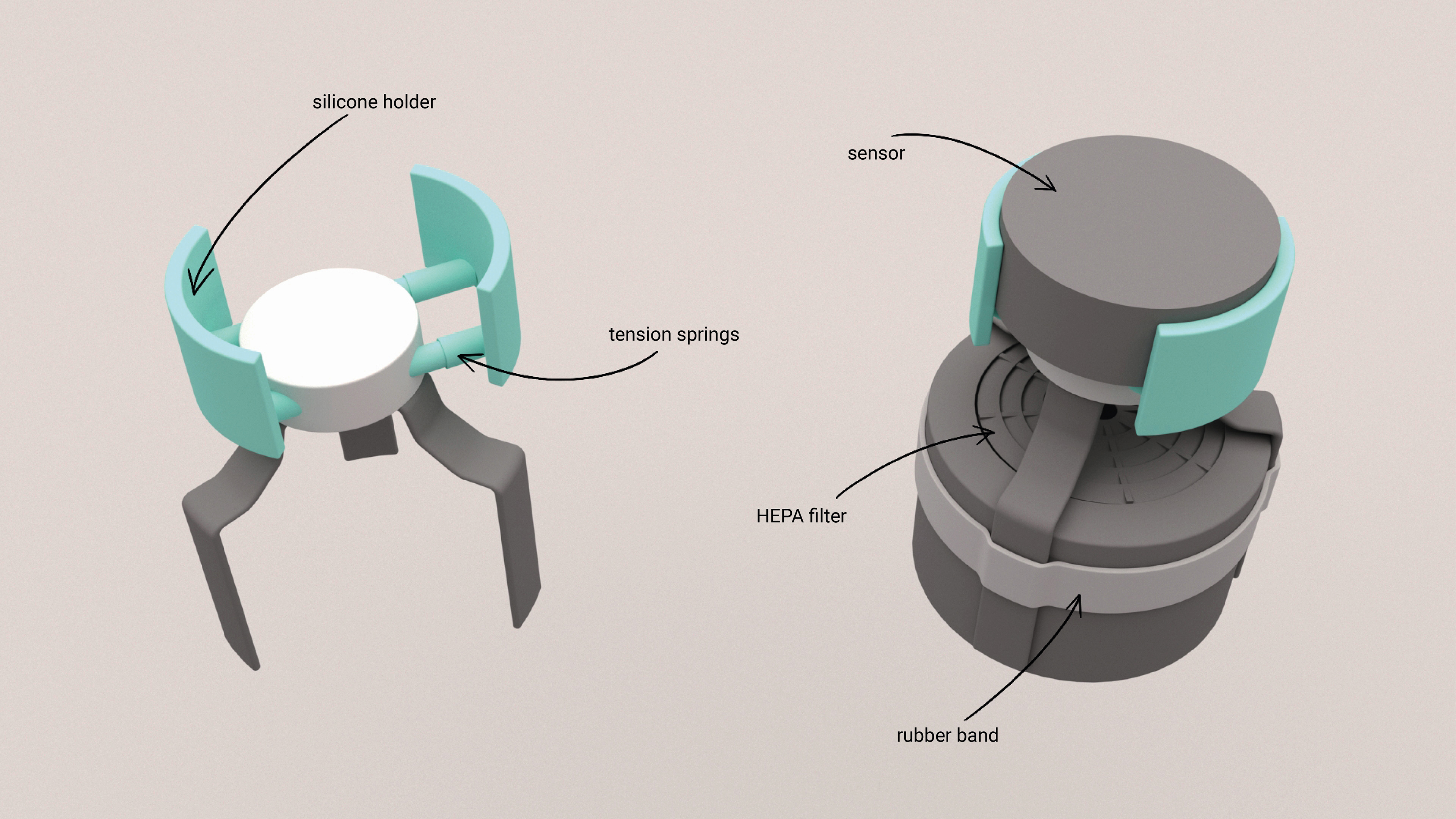
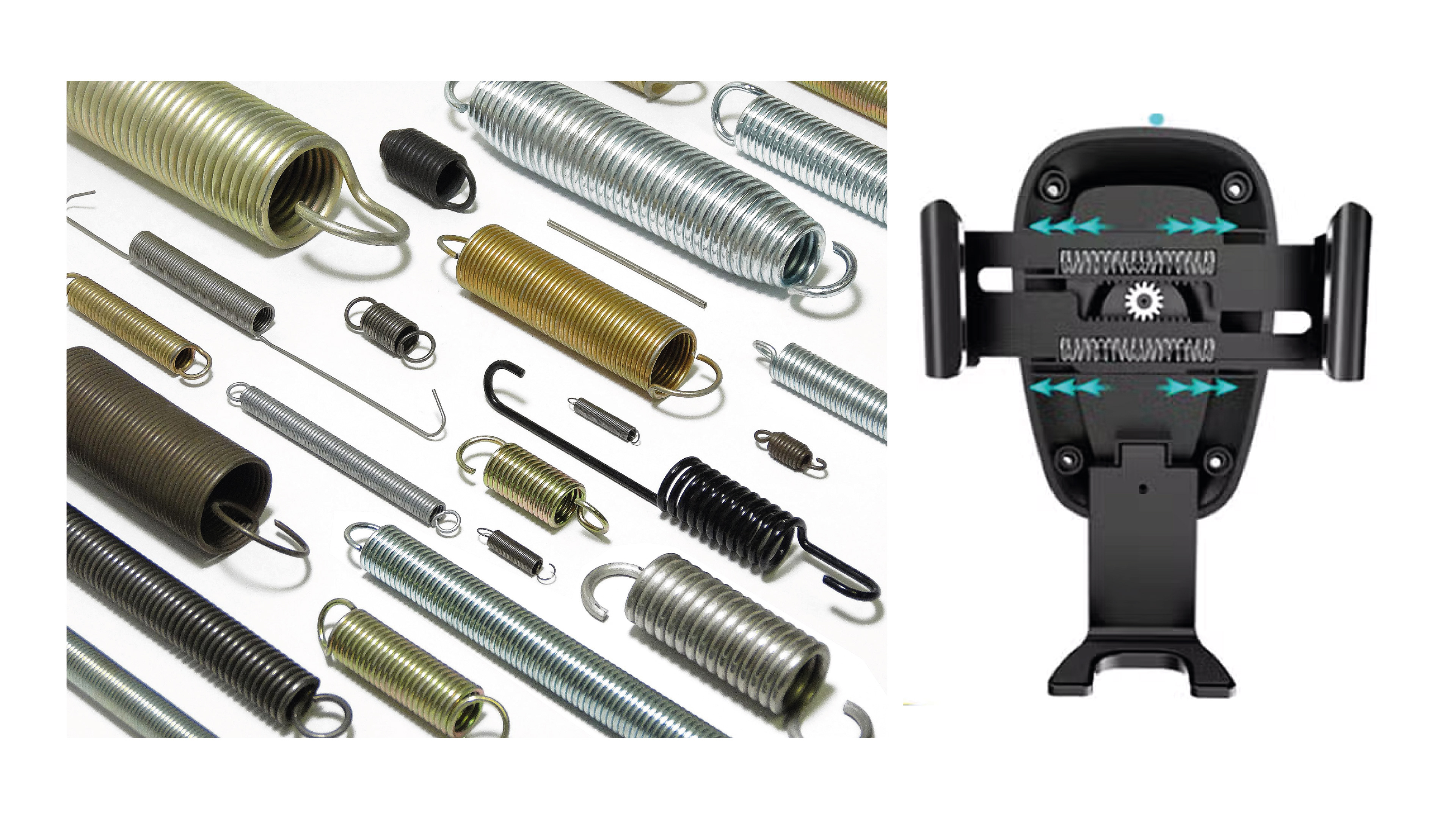
The last but not least - air quality sensor holder. It sits on top of one of the HEPA filters that are in the shuttle. This specific holder is spring loaded and was designed for a sensor that I found online. It's very compact - only 8cm in diameter. This way it doesn't take up much space.
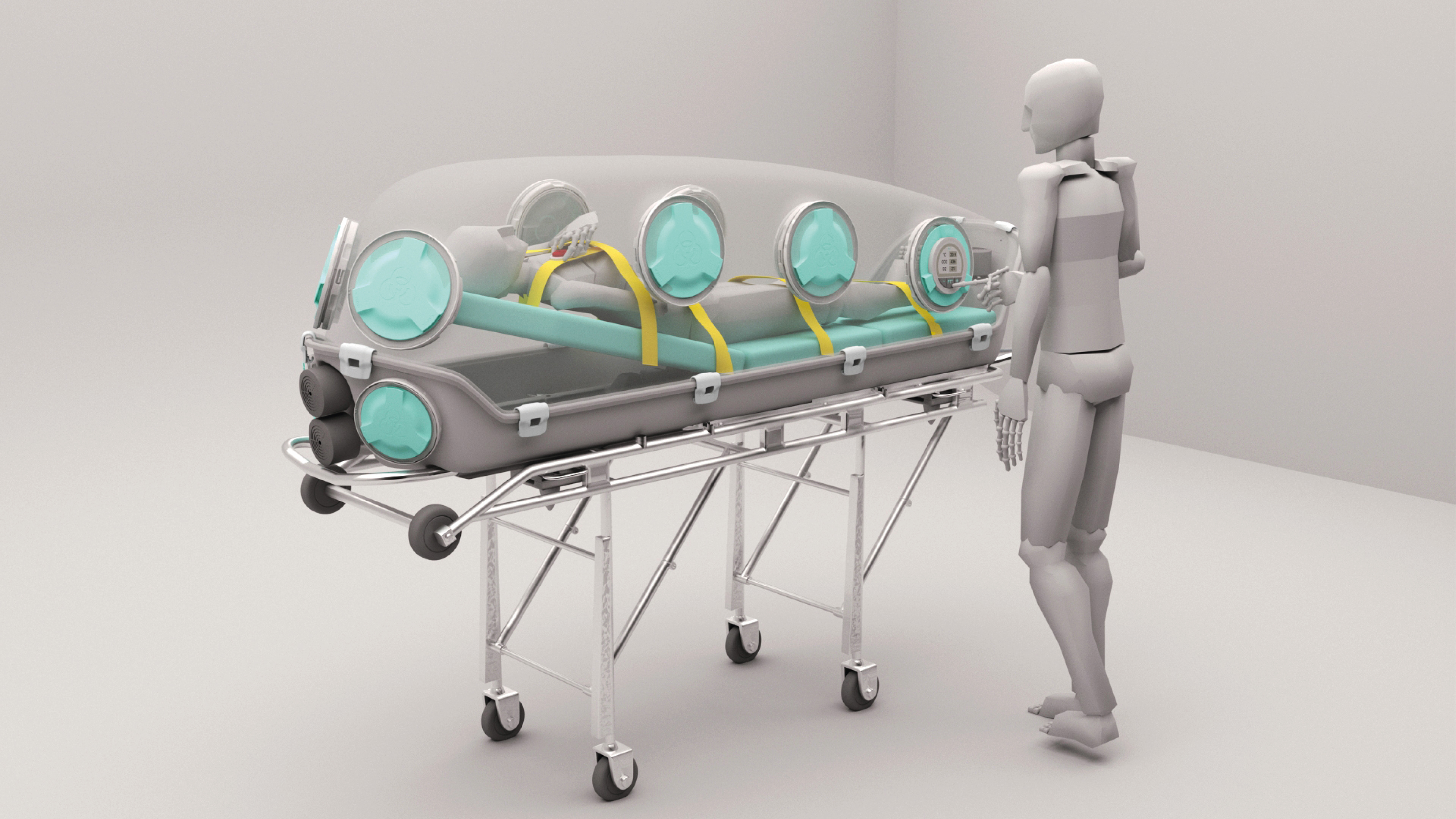
In the best case scenario this is how the communication part is intended on being used - clear, uninterrupted talking.
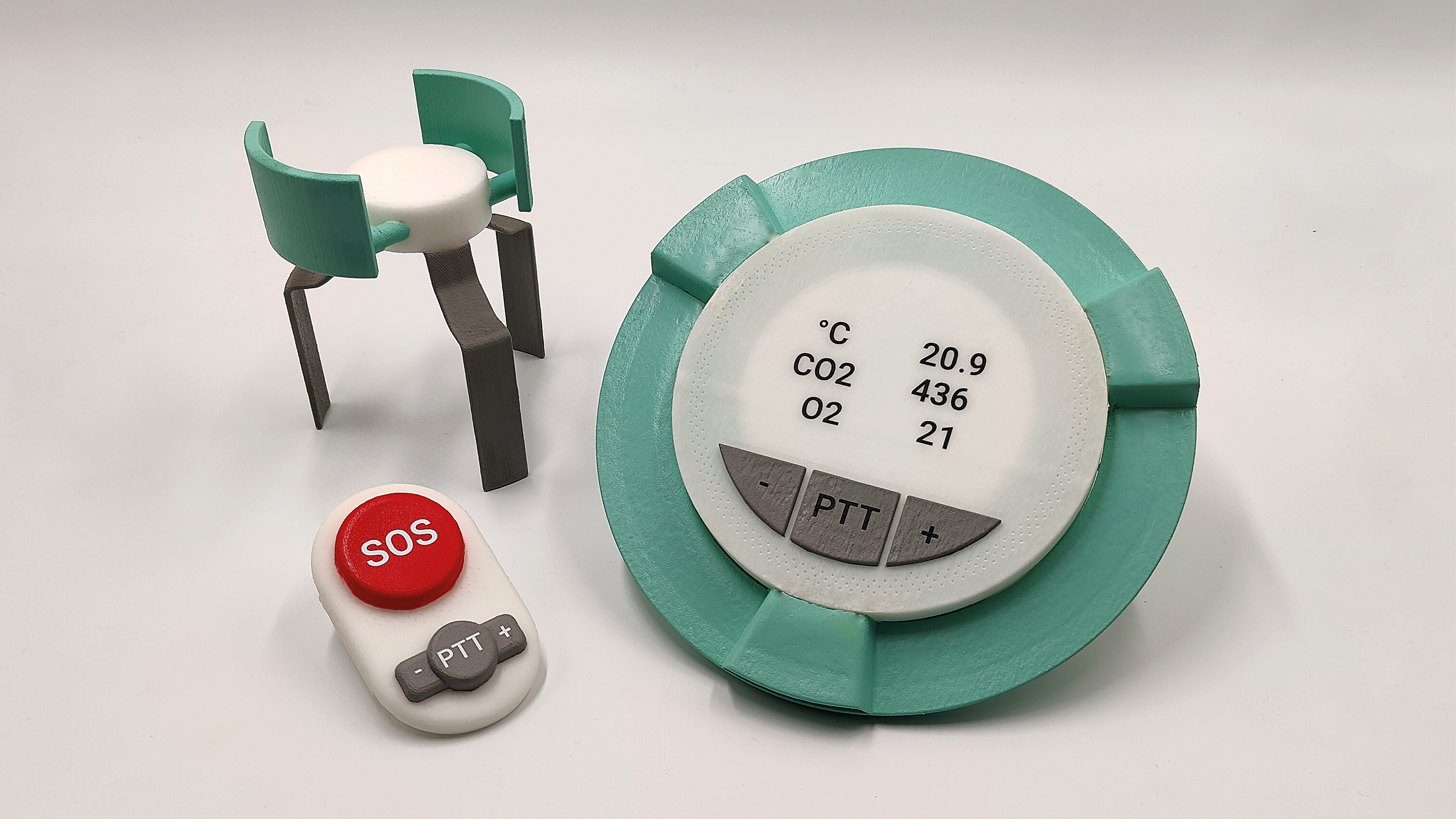
SLS 3D printed prototypes